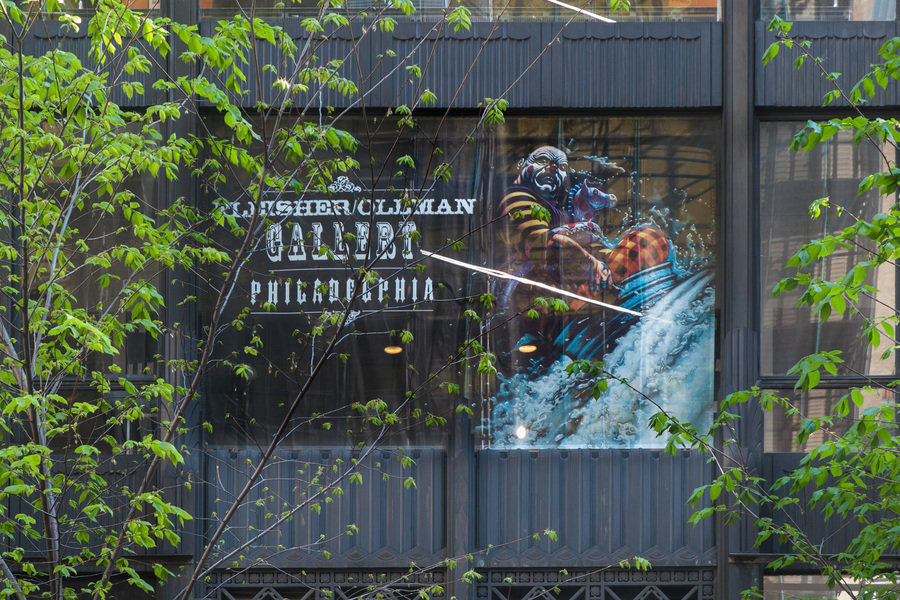
Fleisher/Ollman Gallery

UPCOMING

June 13th - August 30th, 2013

New Wine New Bottle

Kate Abercrombie
Anthony Campuzano
Chris Corales
The Dufala Brothers
Jennifer Levonian
Isaac Tin Wei Lin
Tristin Lowe
Mark Mahosky
Dan Murphy
Nick Paparone
Paul Swenbeck

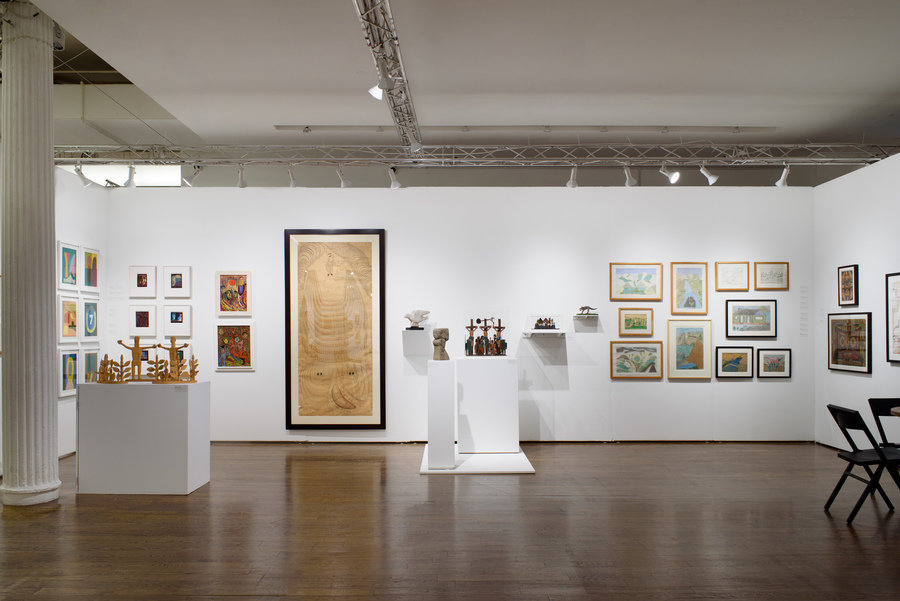
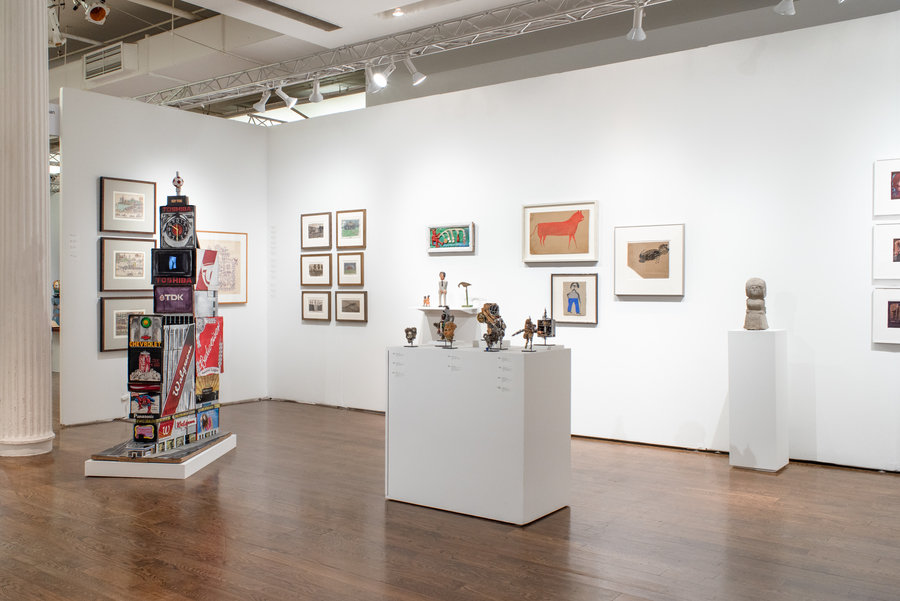
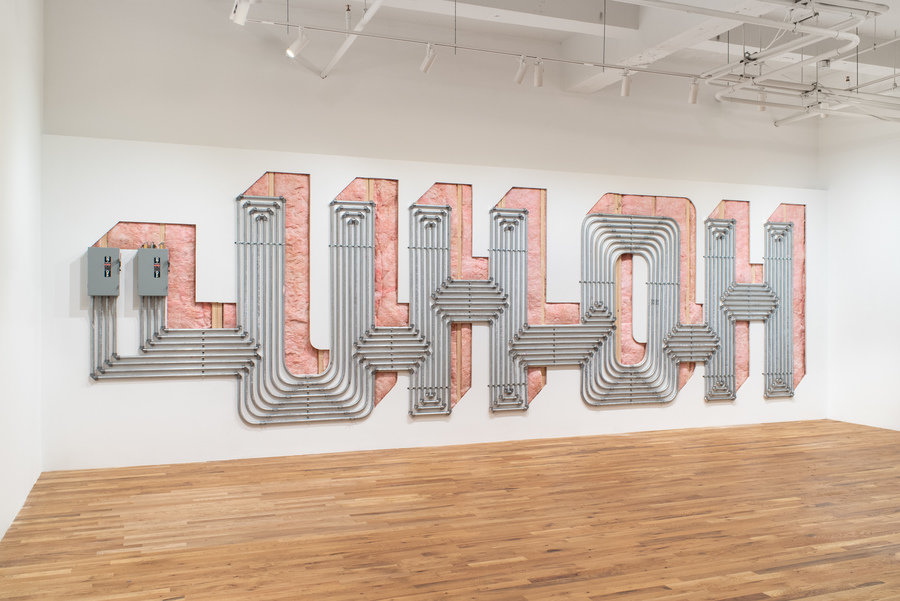
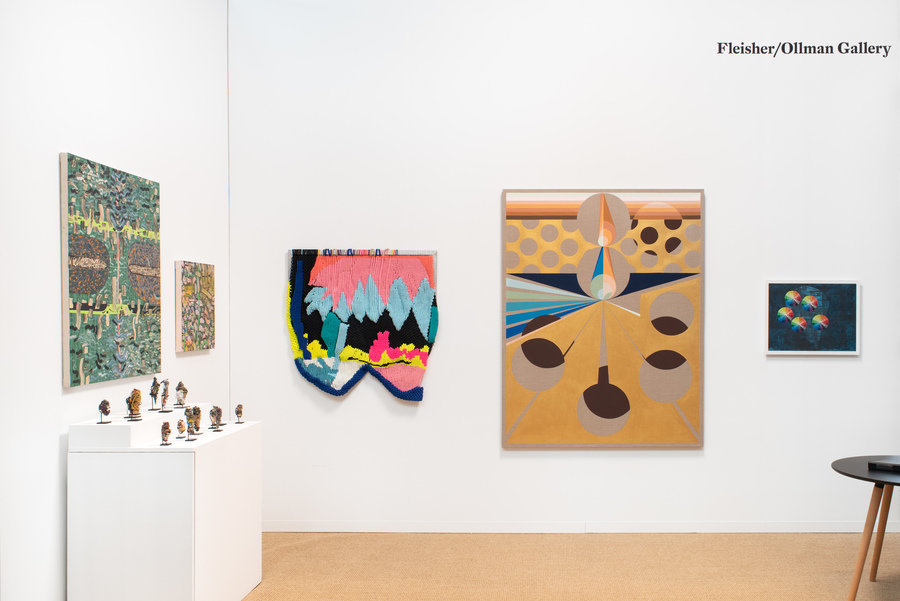
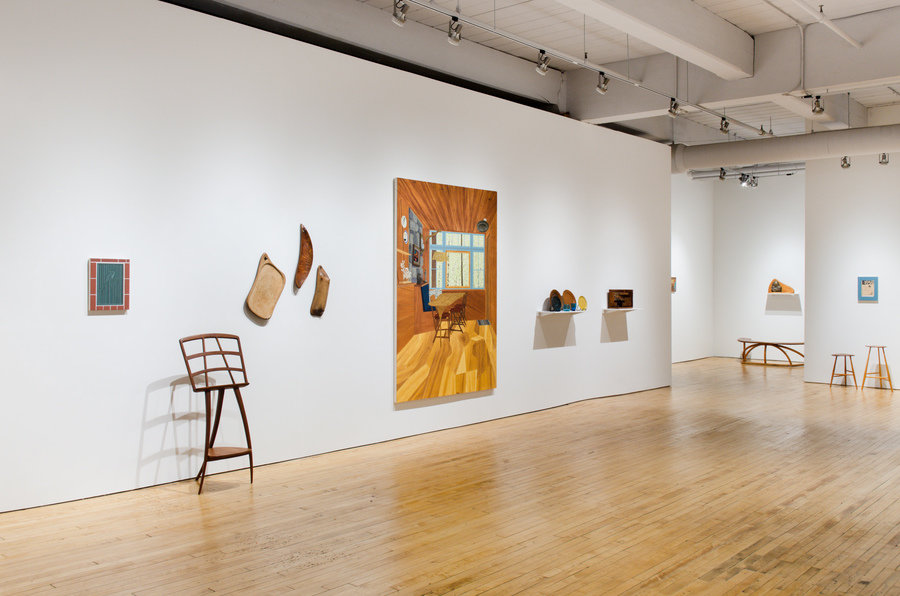
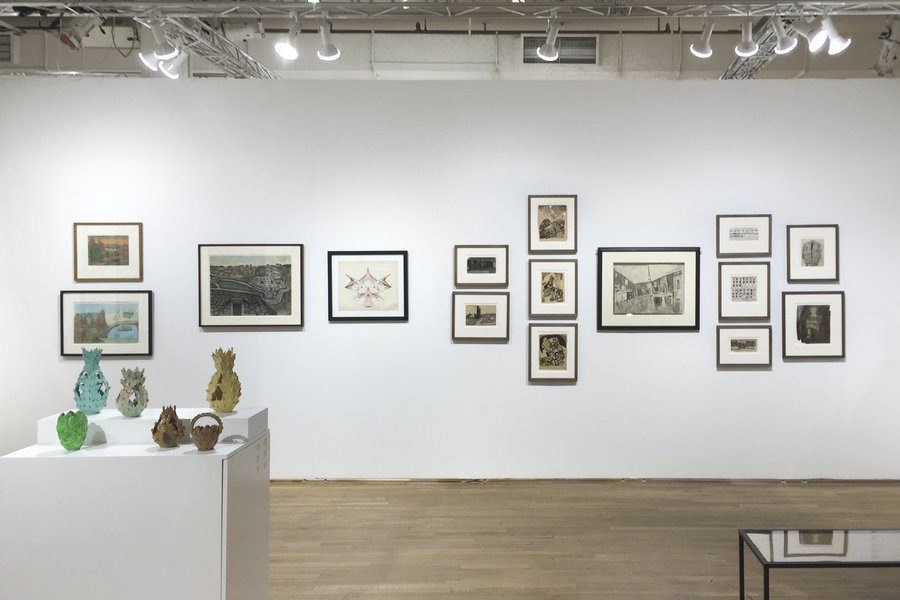
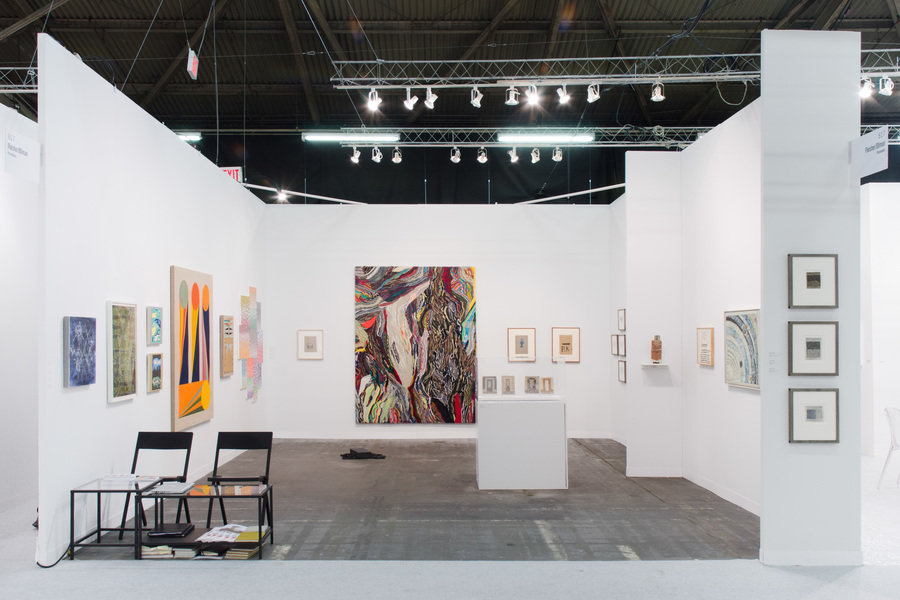
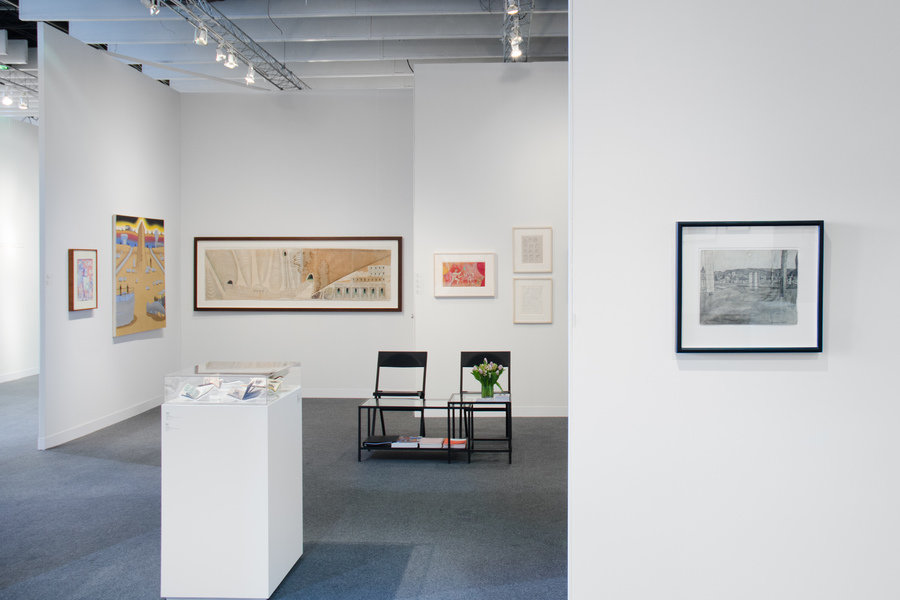
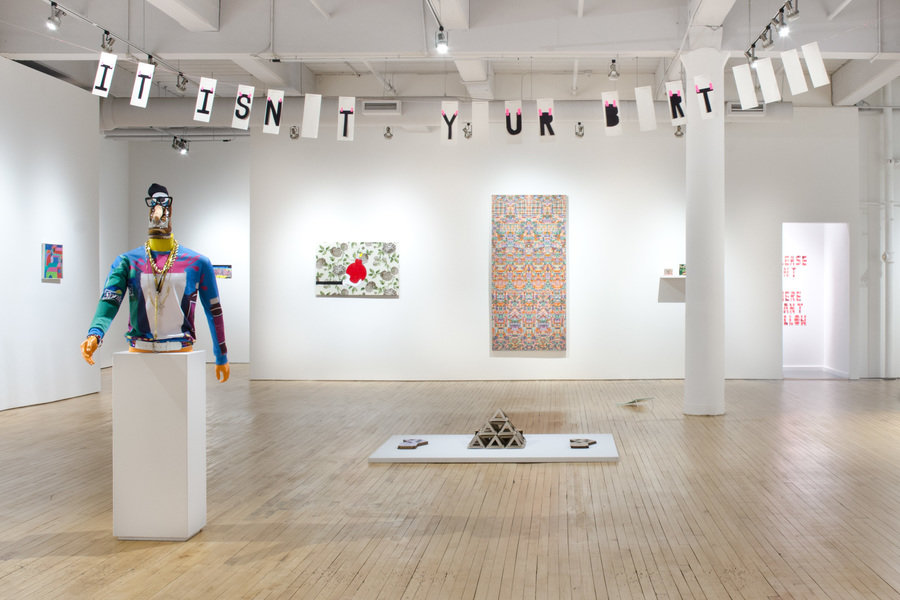
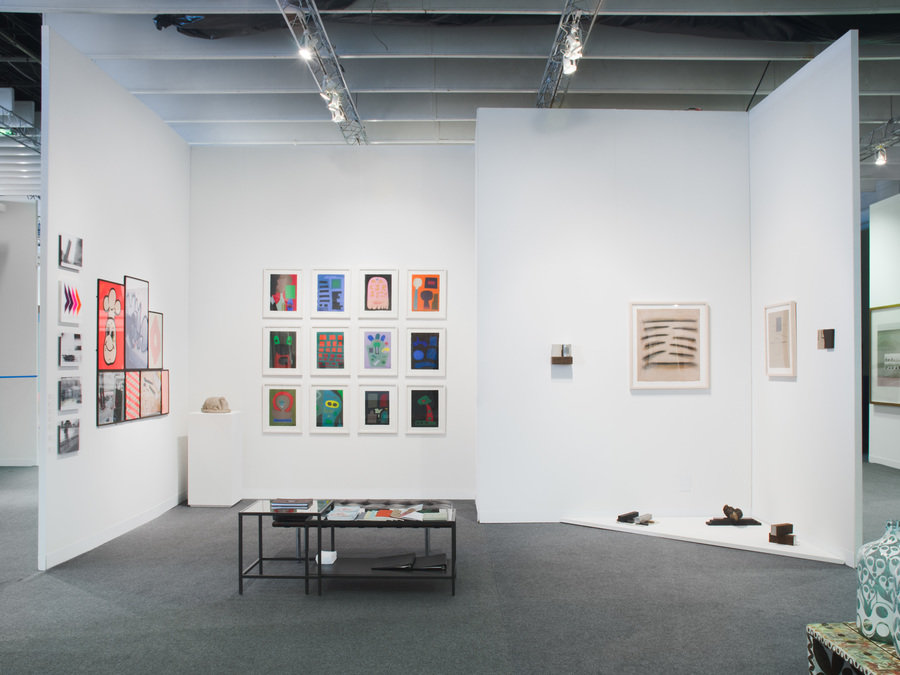
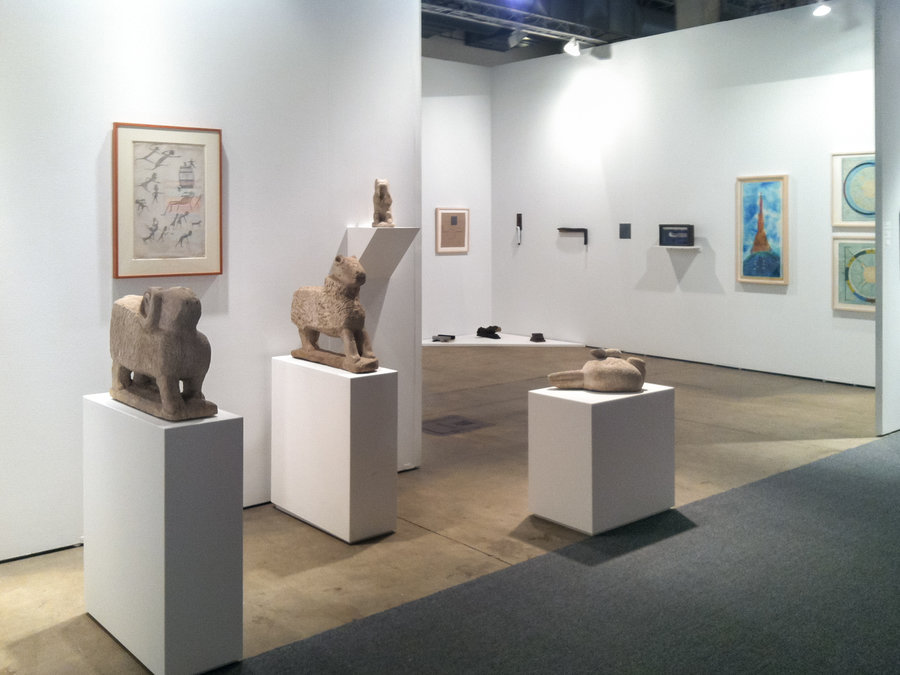
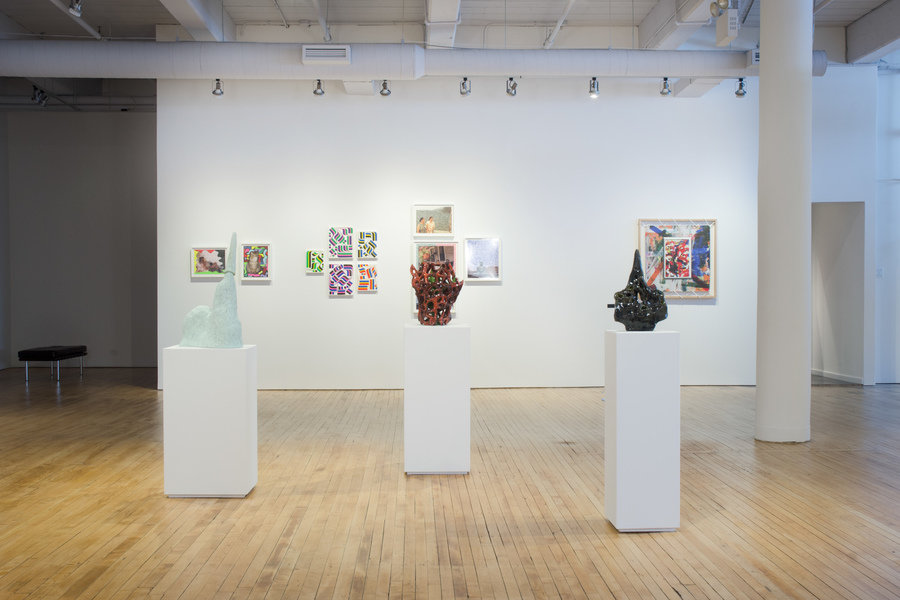
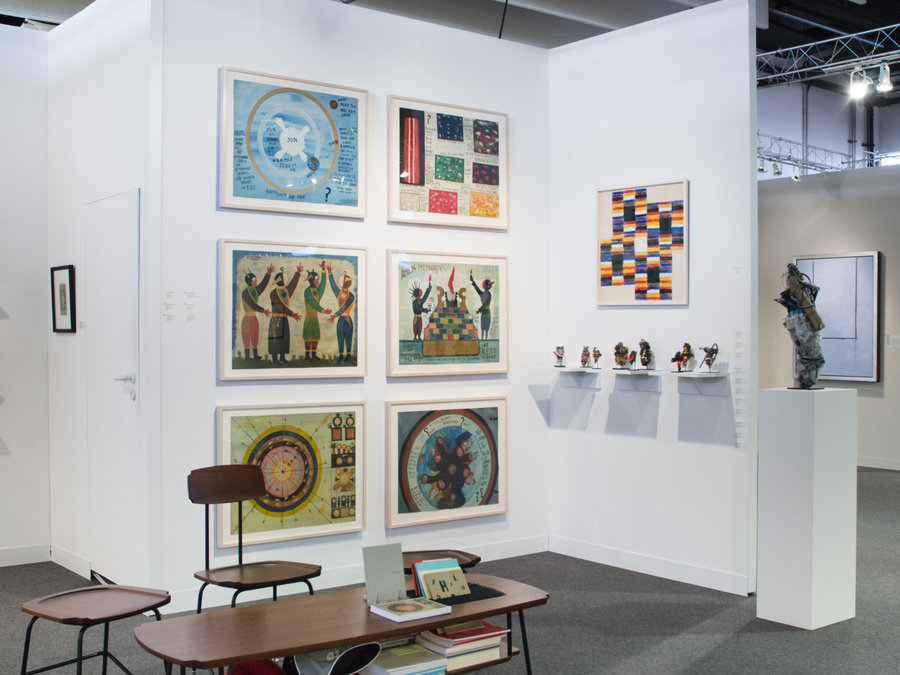
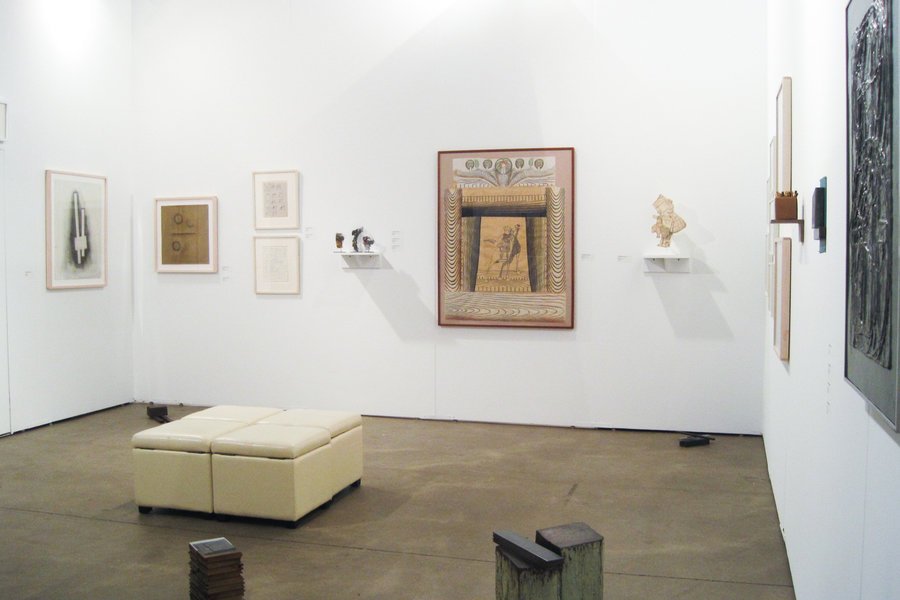
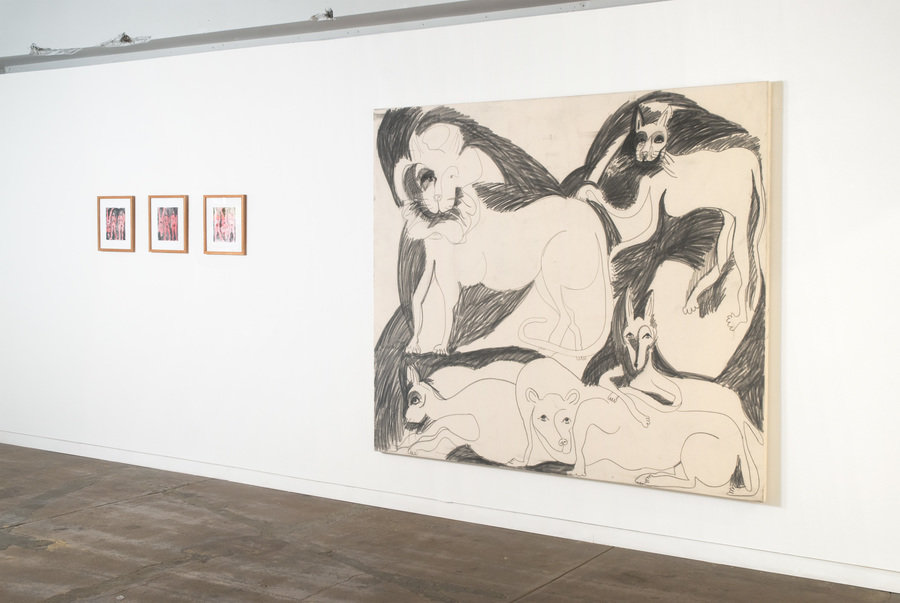
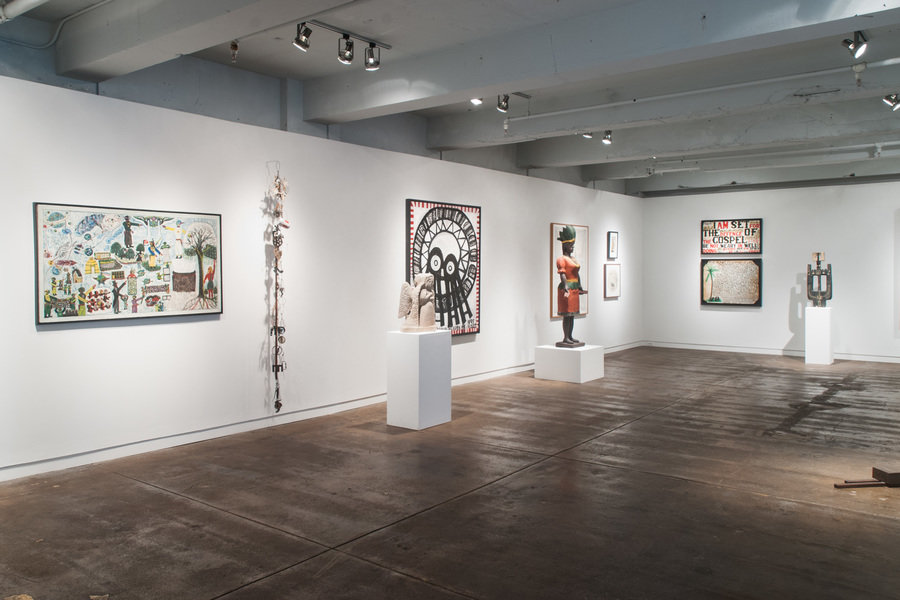
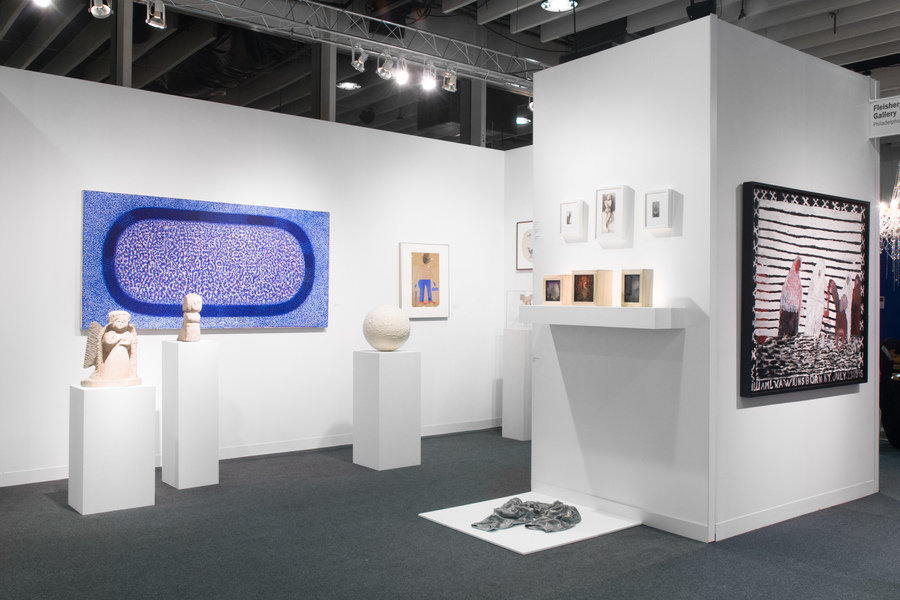
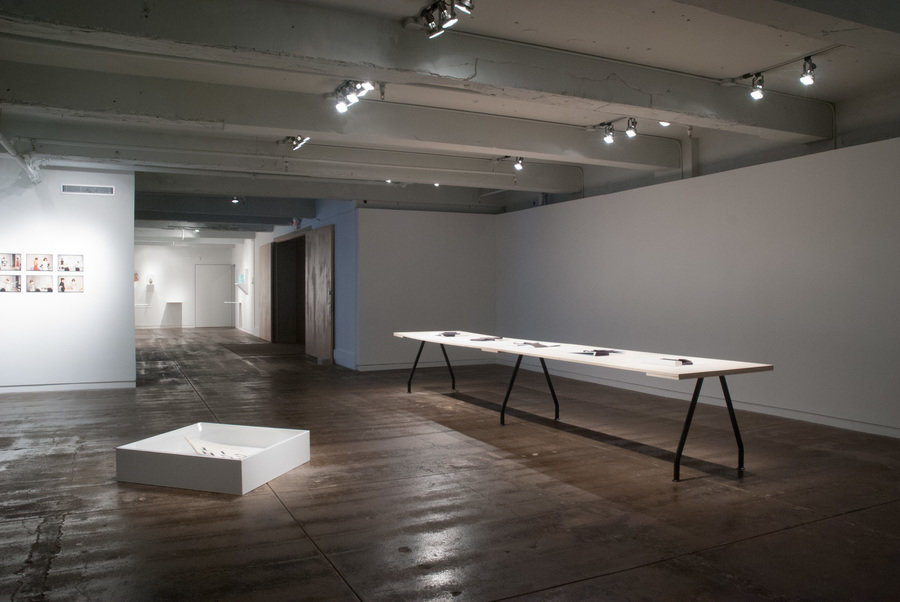
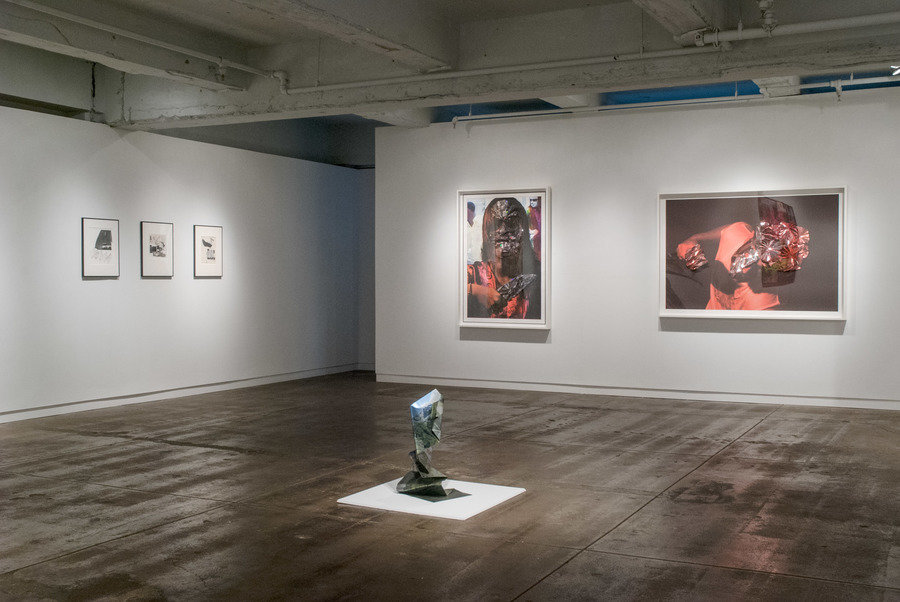
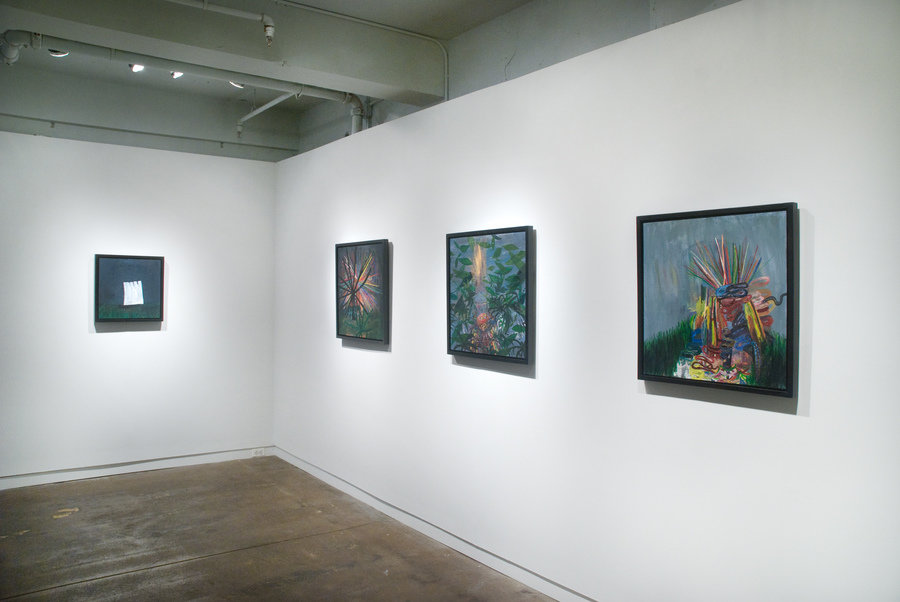
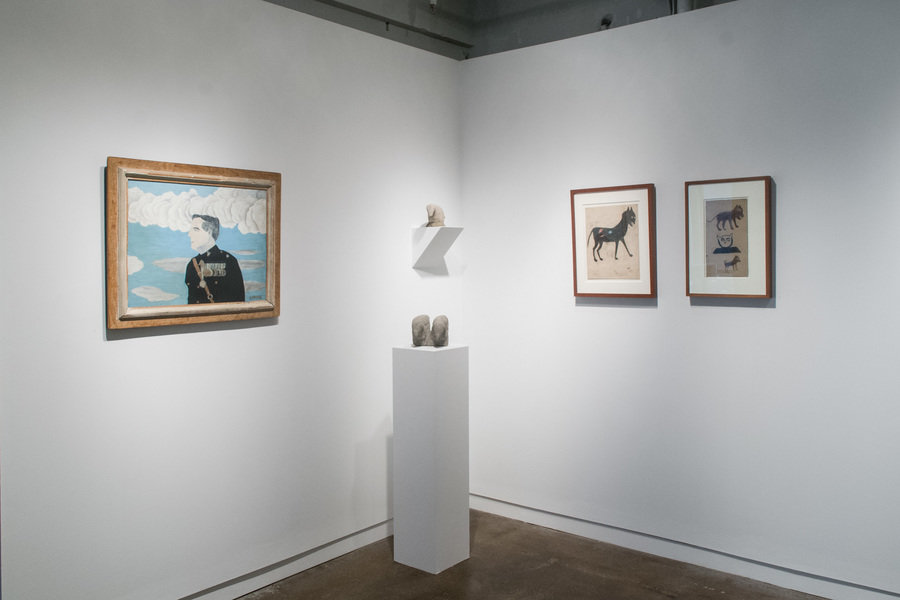
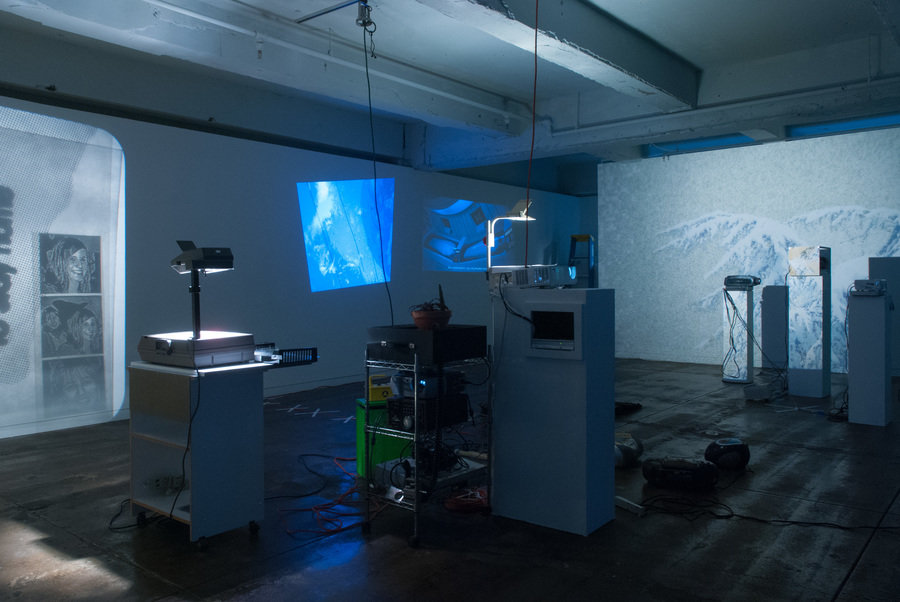
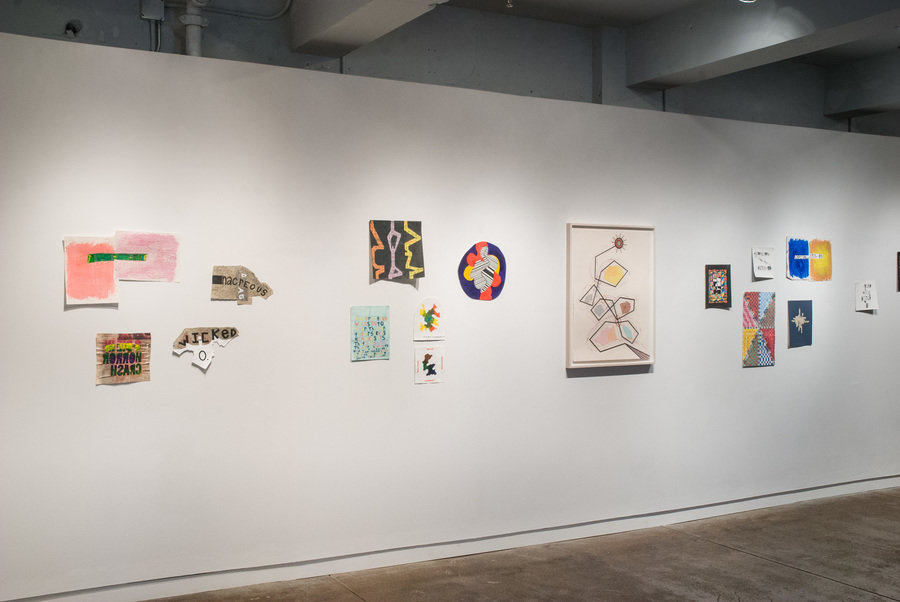
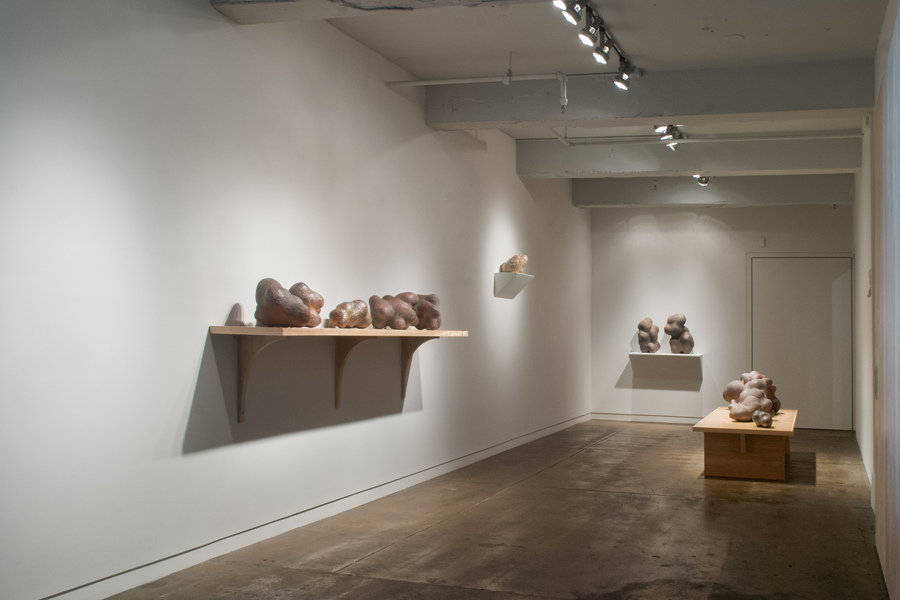
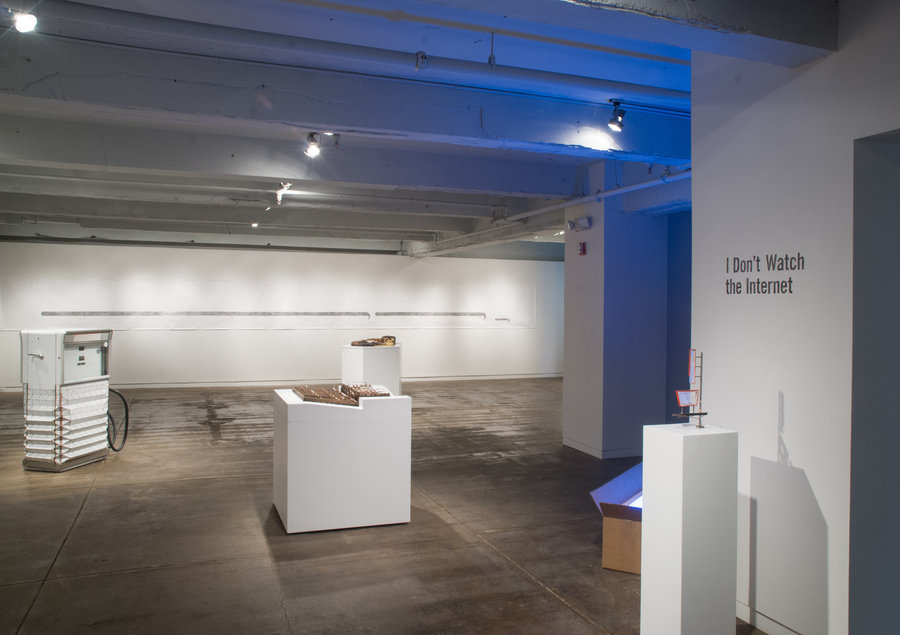
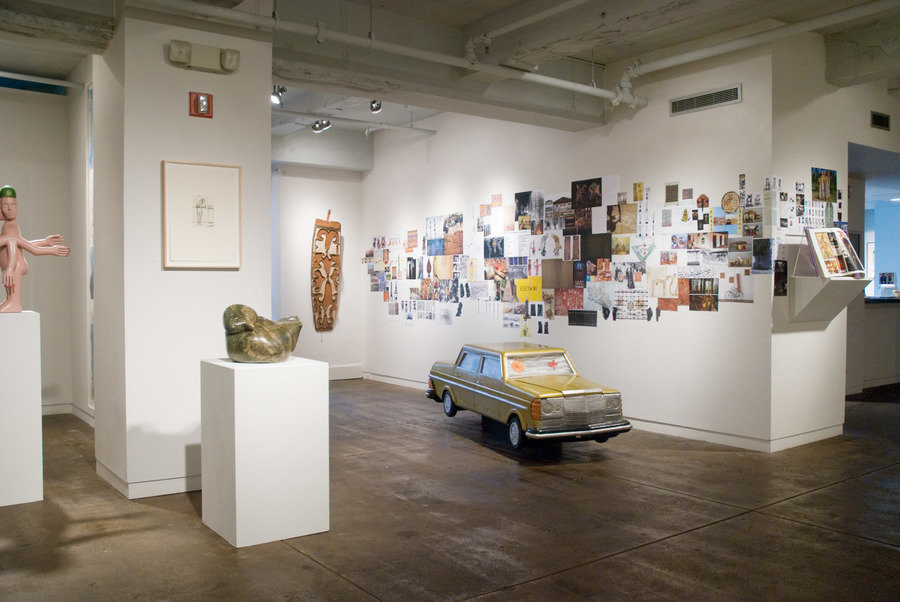
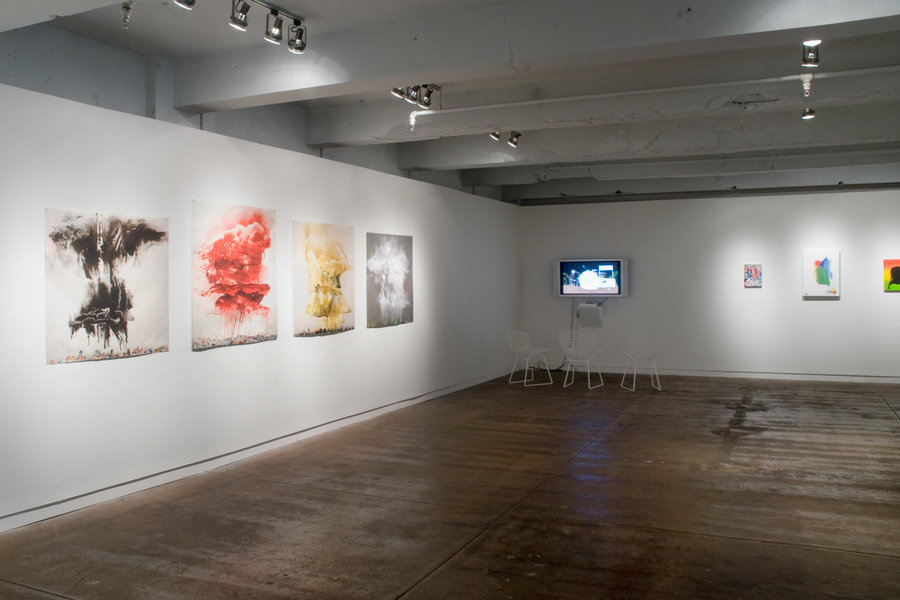
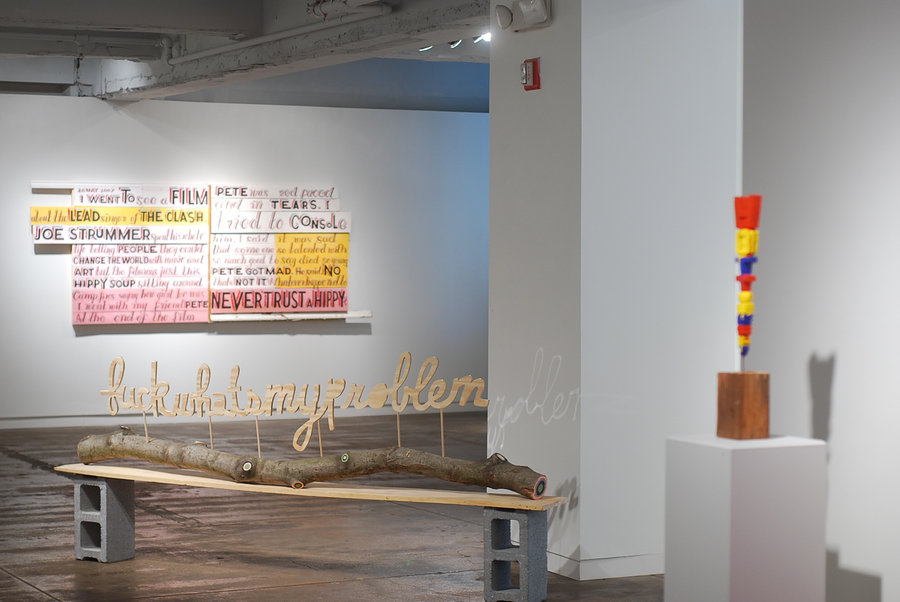
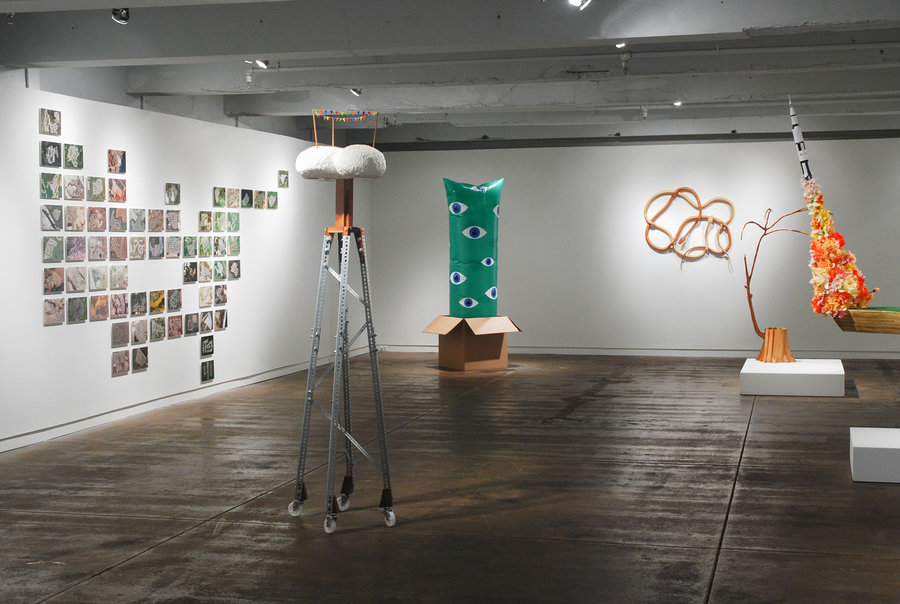
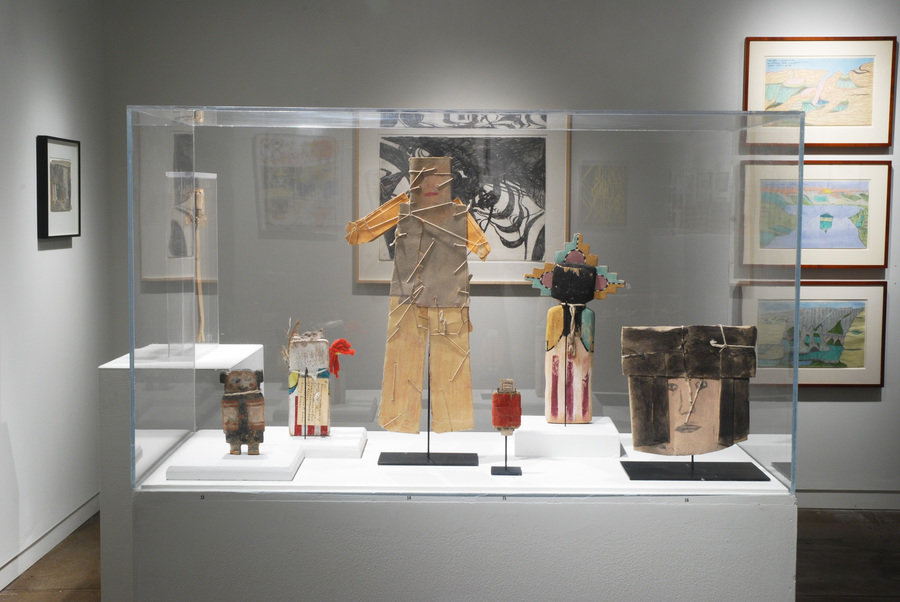
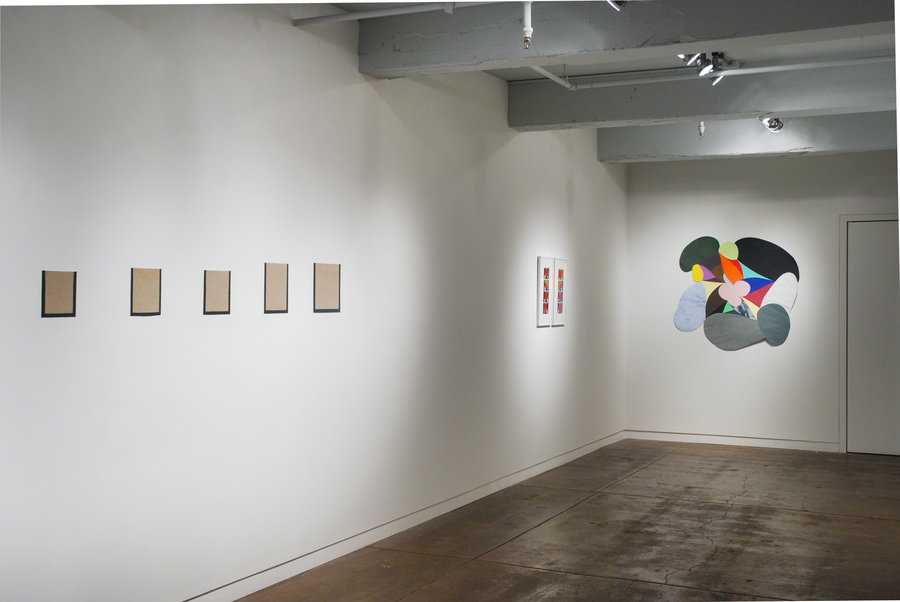
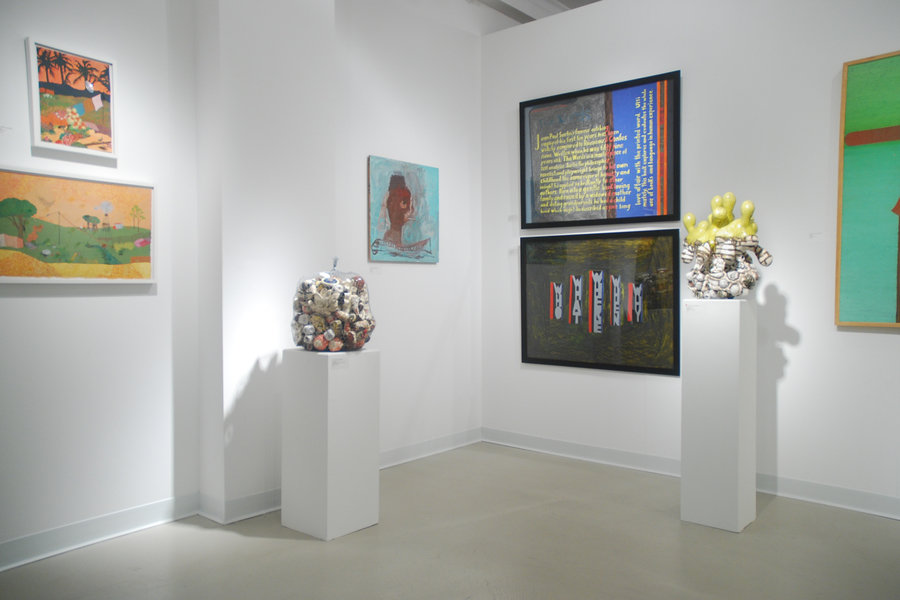
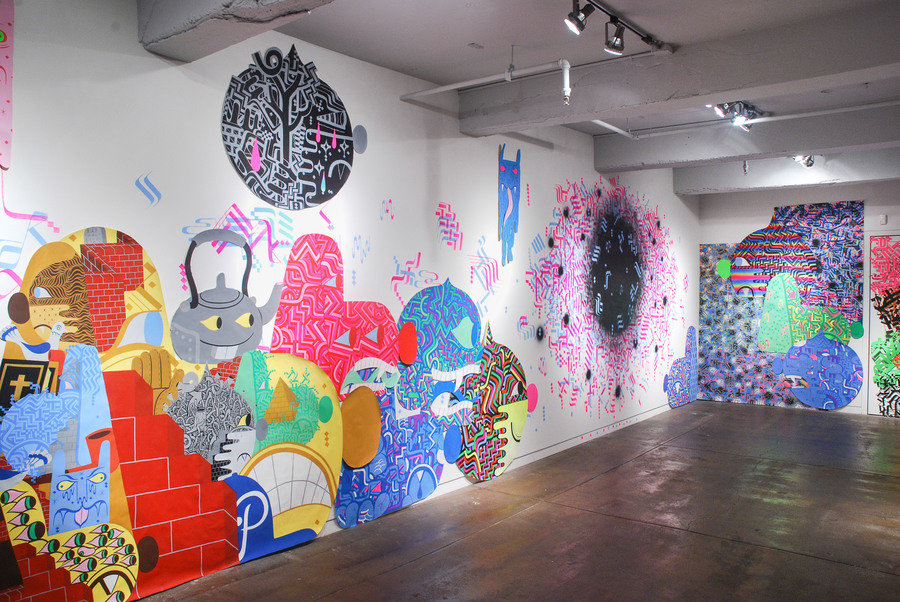
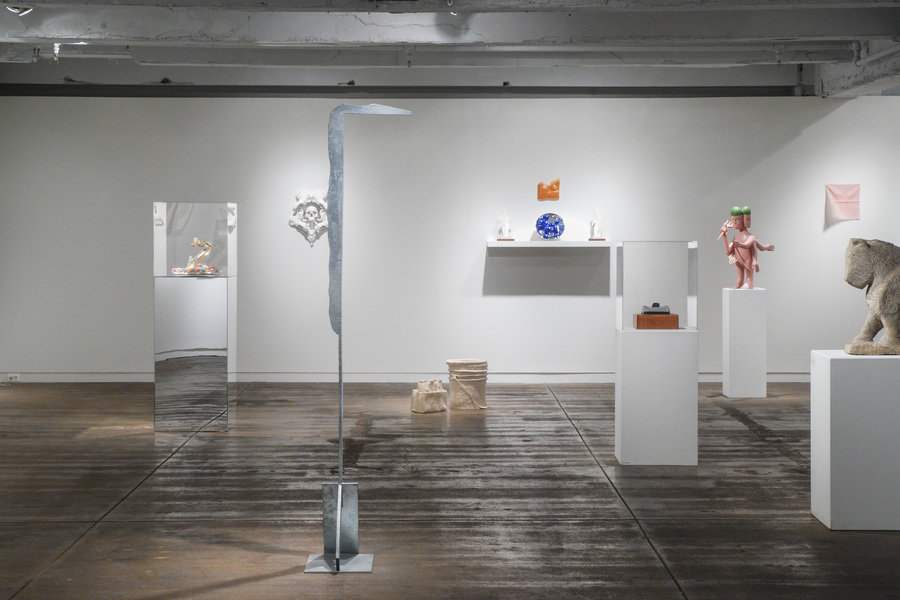
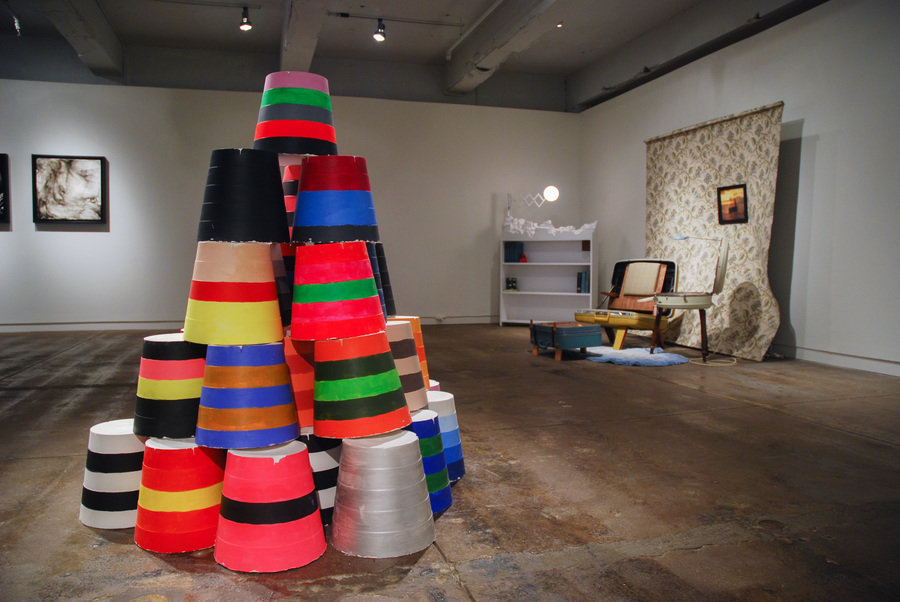
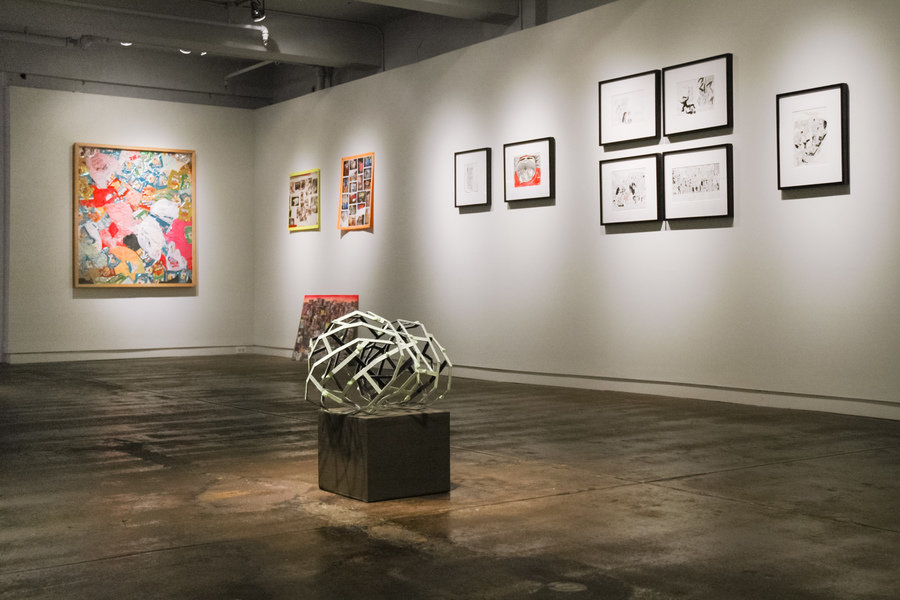
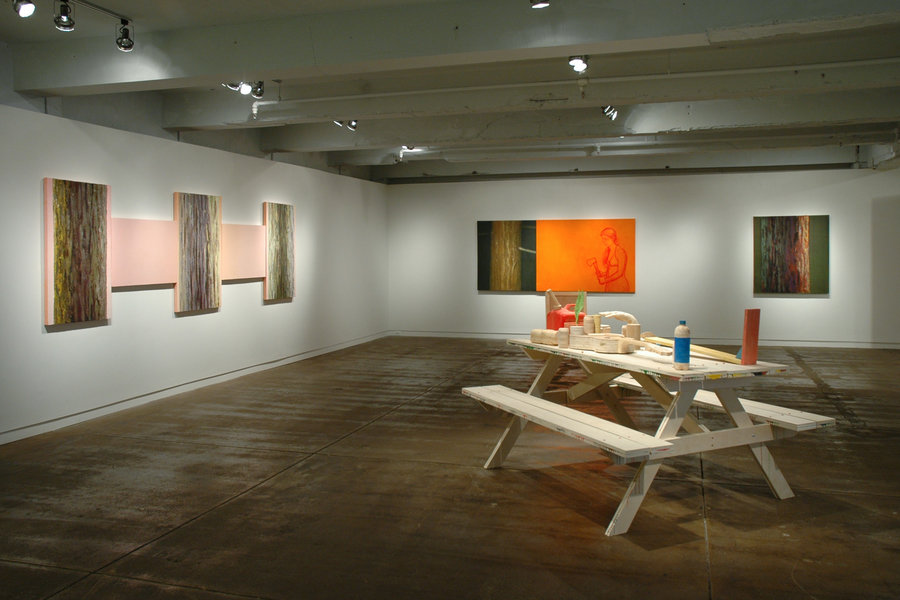
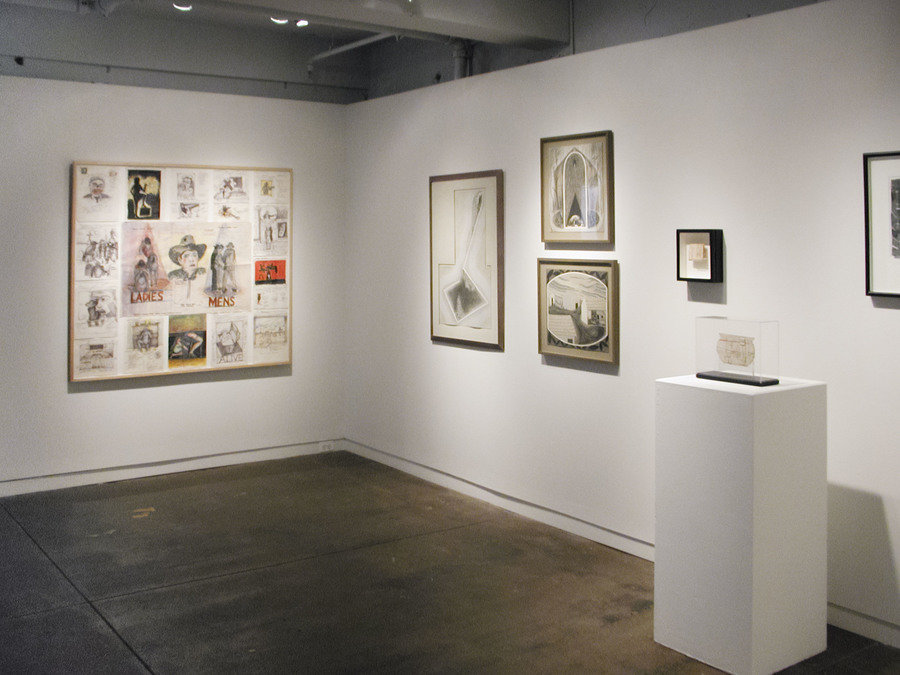
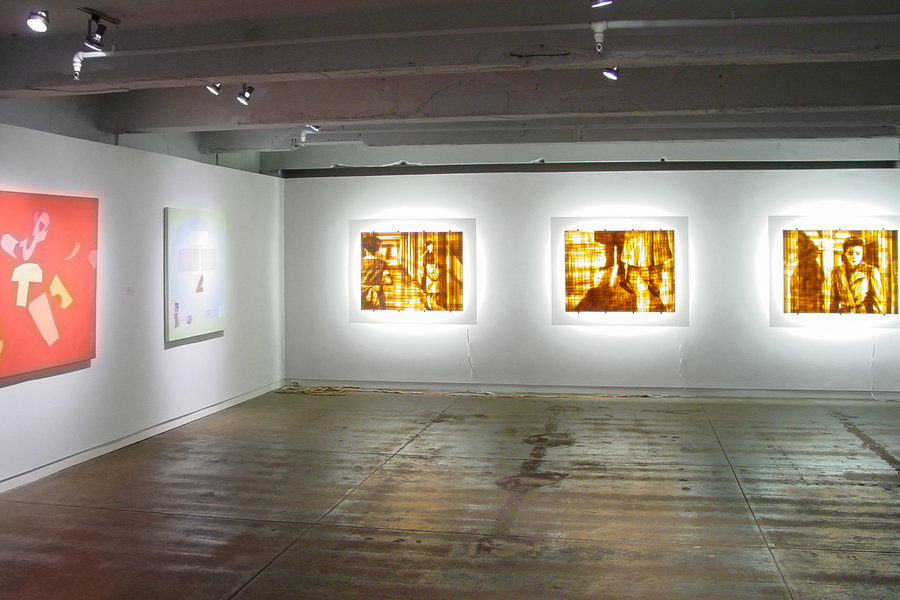
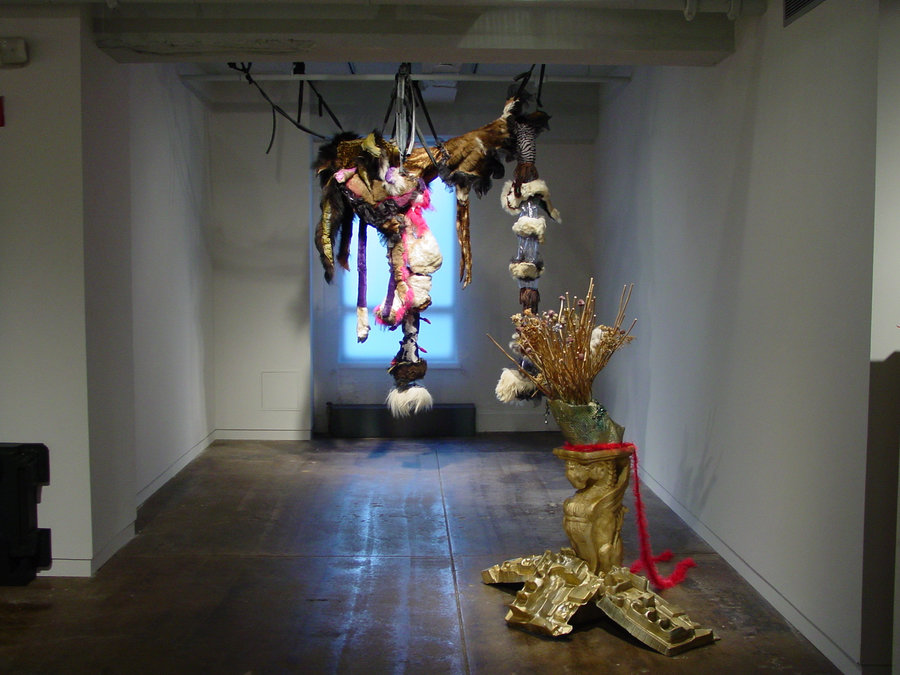
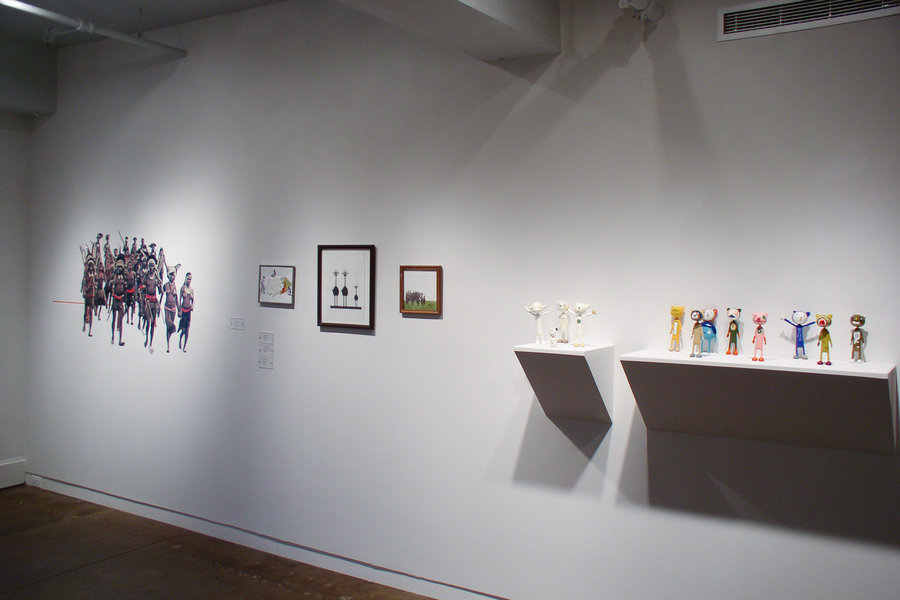
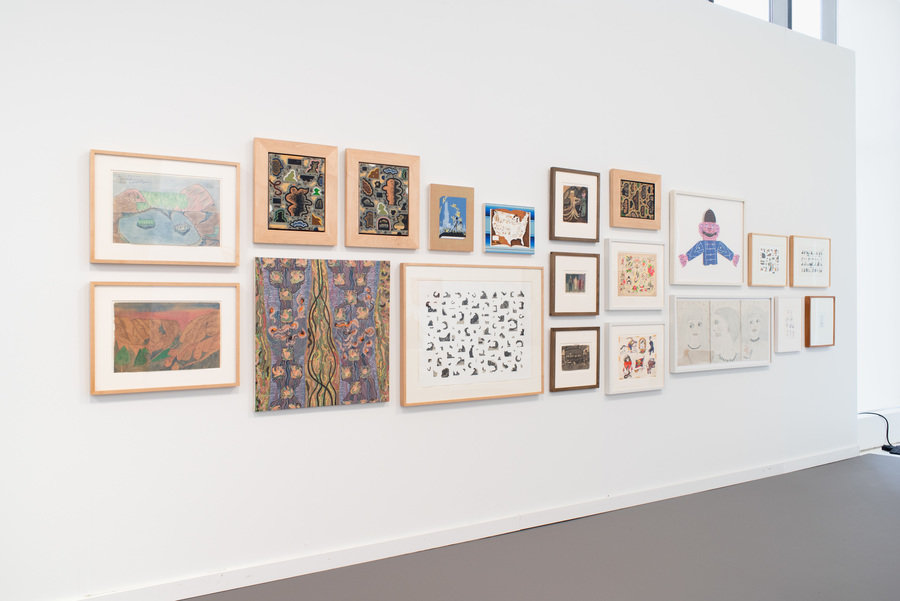
Fleisher/Ollman’s second exhibition in its recently- opened Arch Street location showcases new work by a selection of gallery artists. While the exhibition highlights a wide range of distinct practices, when seen collectively surprising resonances and inter-relationships come forward, putting into relief ideas such as the urban landscape, mythologies of popular culture, art and narrative, contemporary abstraction, and the primordial.

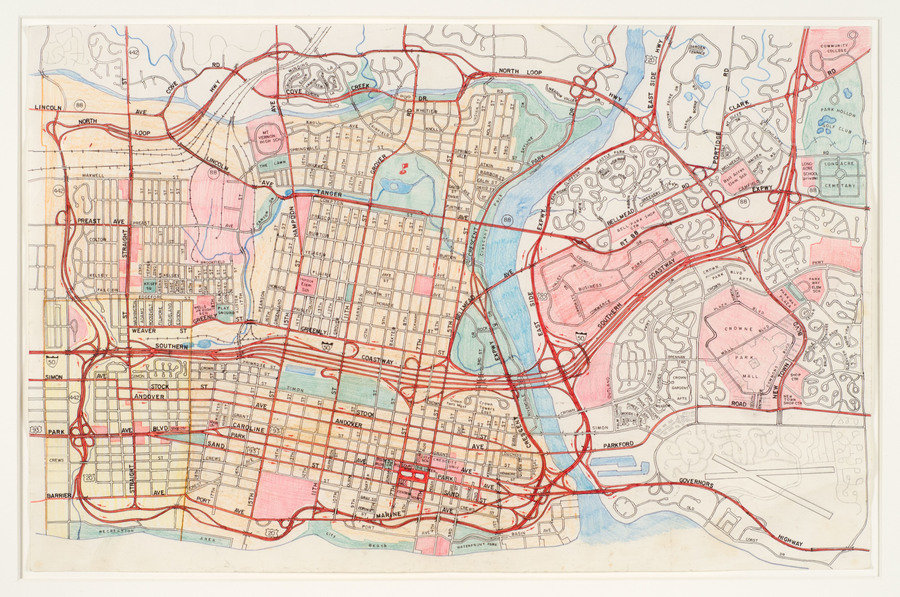
The Dufala Brothers and Dan Murphy explore what we might call the urban forlorn, looking to the postindustrial landscape of Philadelphia for inspiration. The Dufala Brothers engage ideas of consumption, re-purposing, and use-value, particularly evident in their sculpture and drawing, while Murphy trains his camera lens on both the intentional and accidental manner in which urban environments offer themselves to be read.

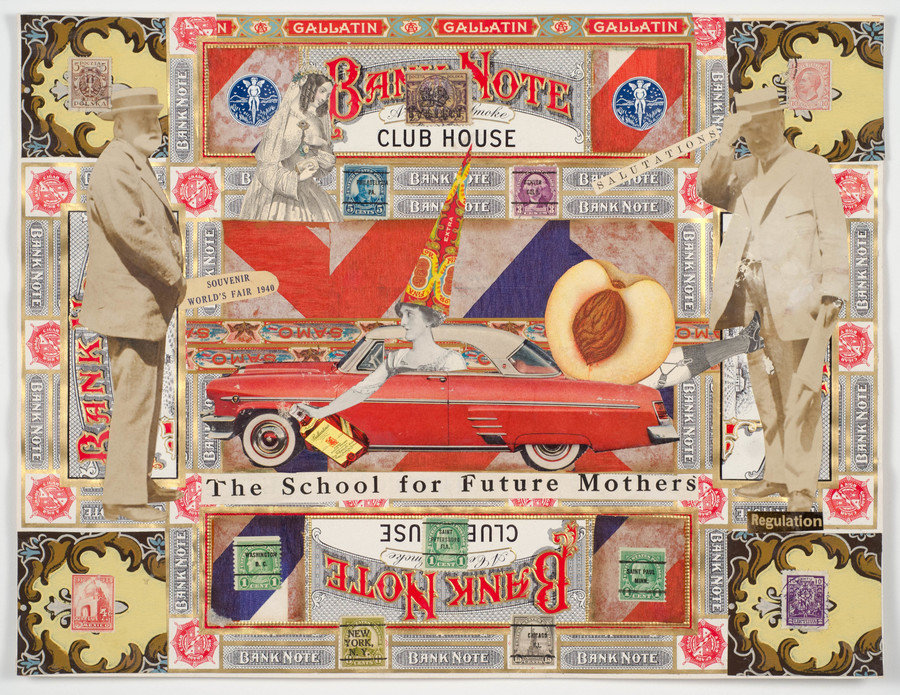
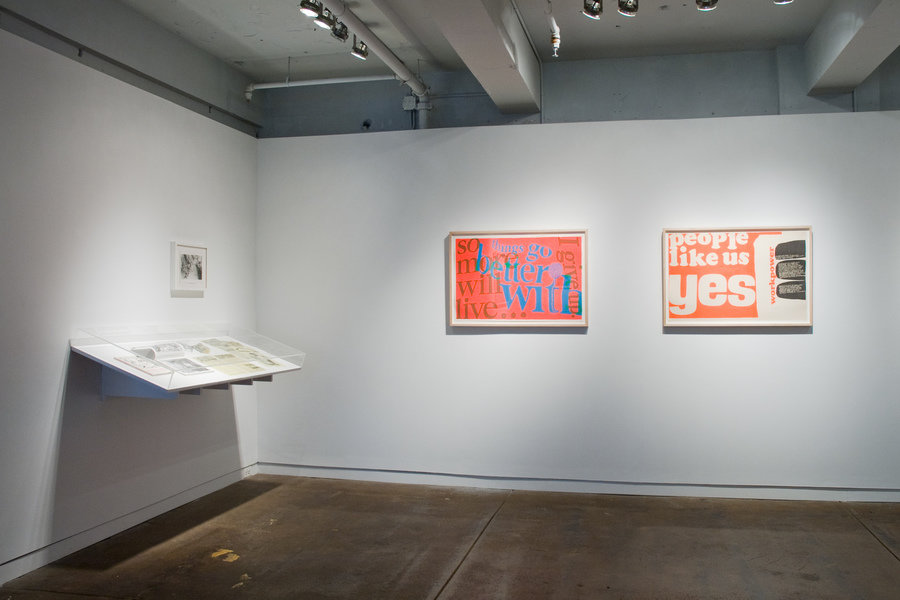
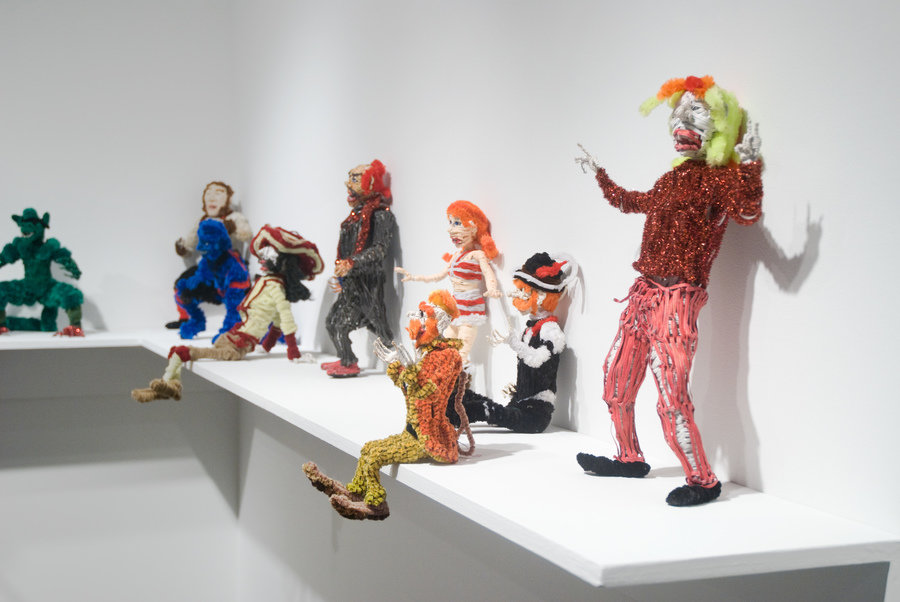
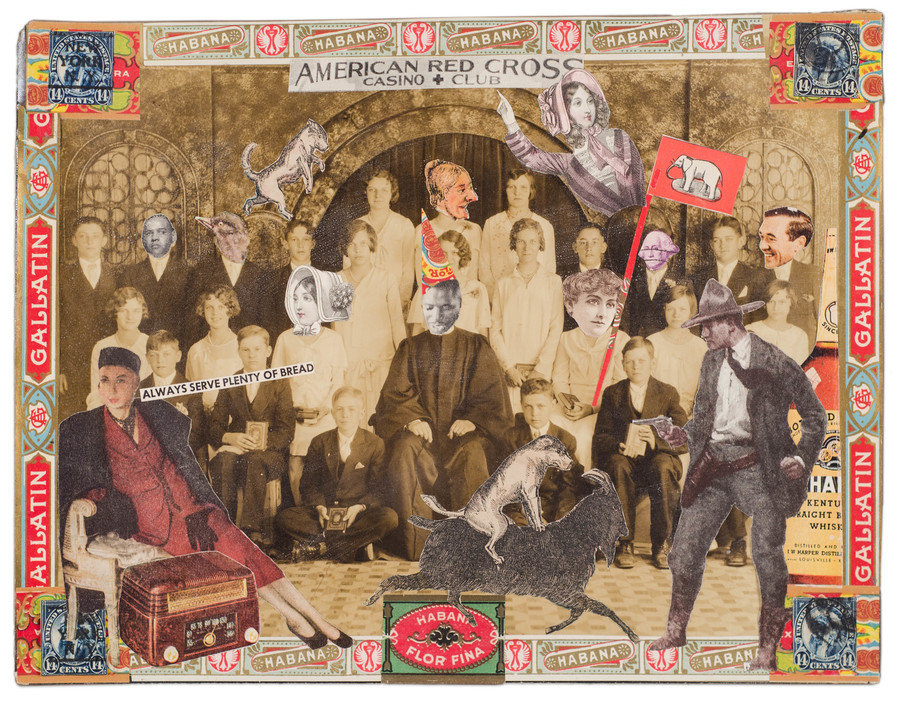
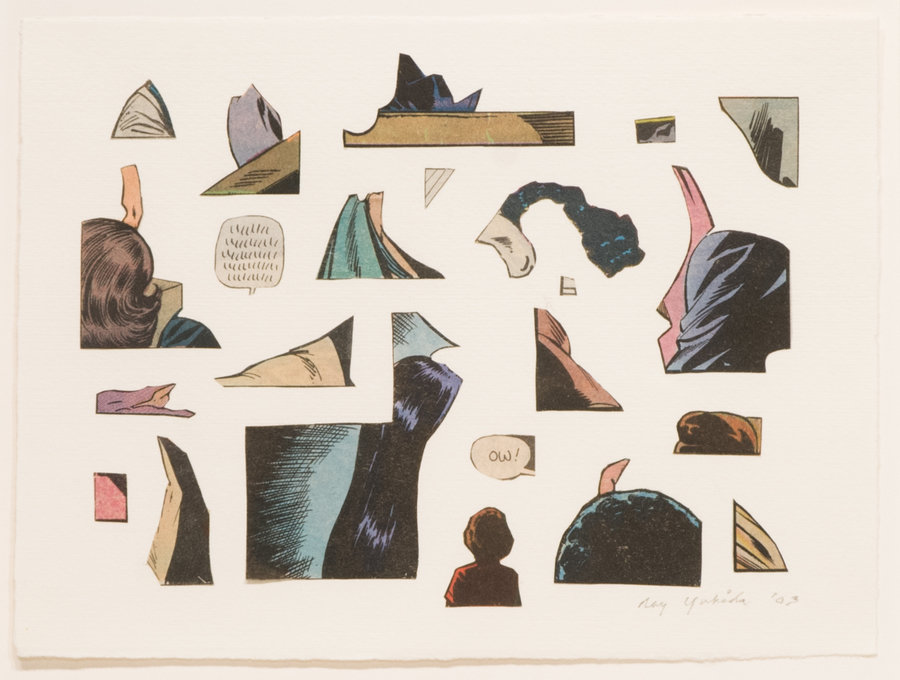
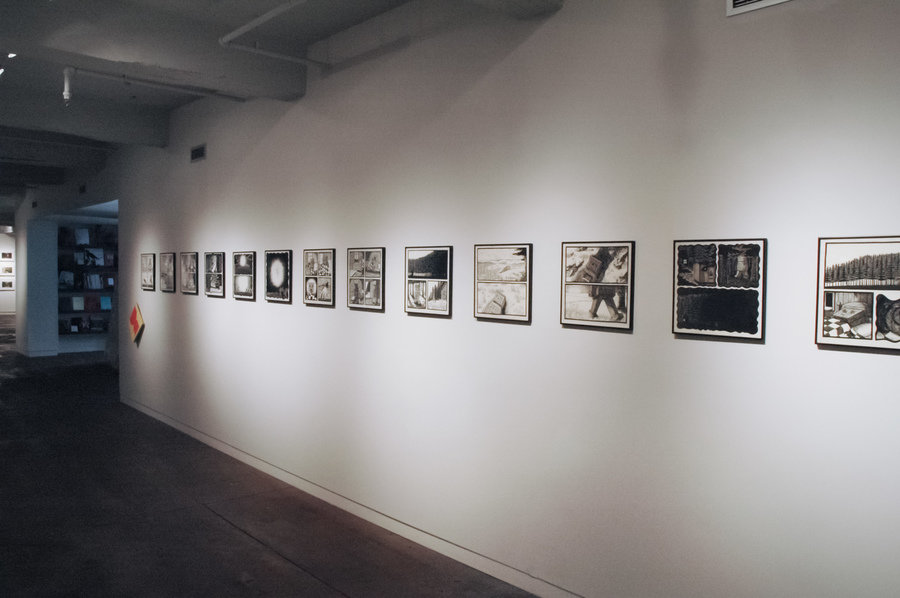
How popular culture is received and digested informs the practices of Nick Paparone and Anthony Campuzano—Paparone’s sculputures play with the manner in which goods are branded for different types of consumers, while Campuzano’s drawings revel in the idiosyncrasies of how we transform and personalize the messages of the mass media. Like Campuzano, Jennifer Levonian is attuned to how narratives form our identities. Working in cut-paper animation, Levonian engages with everyday life by focusing on events that often go unnoticed, transforming them into humorously bizarre narratives.

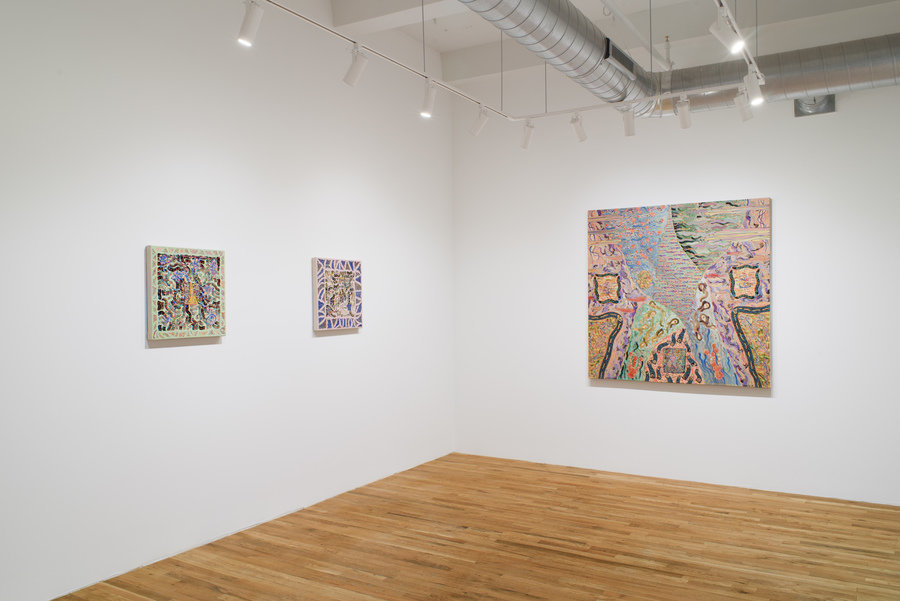
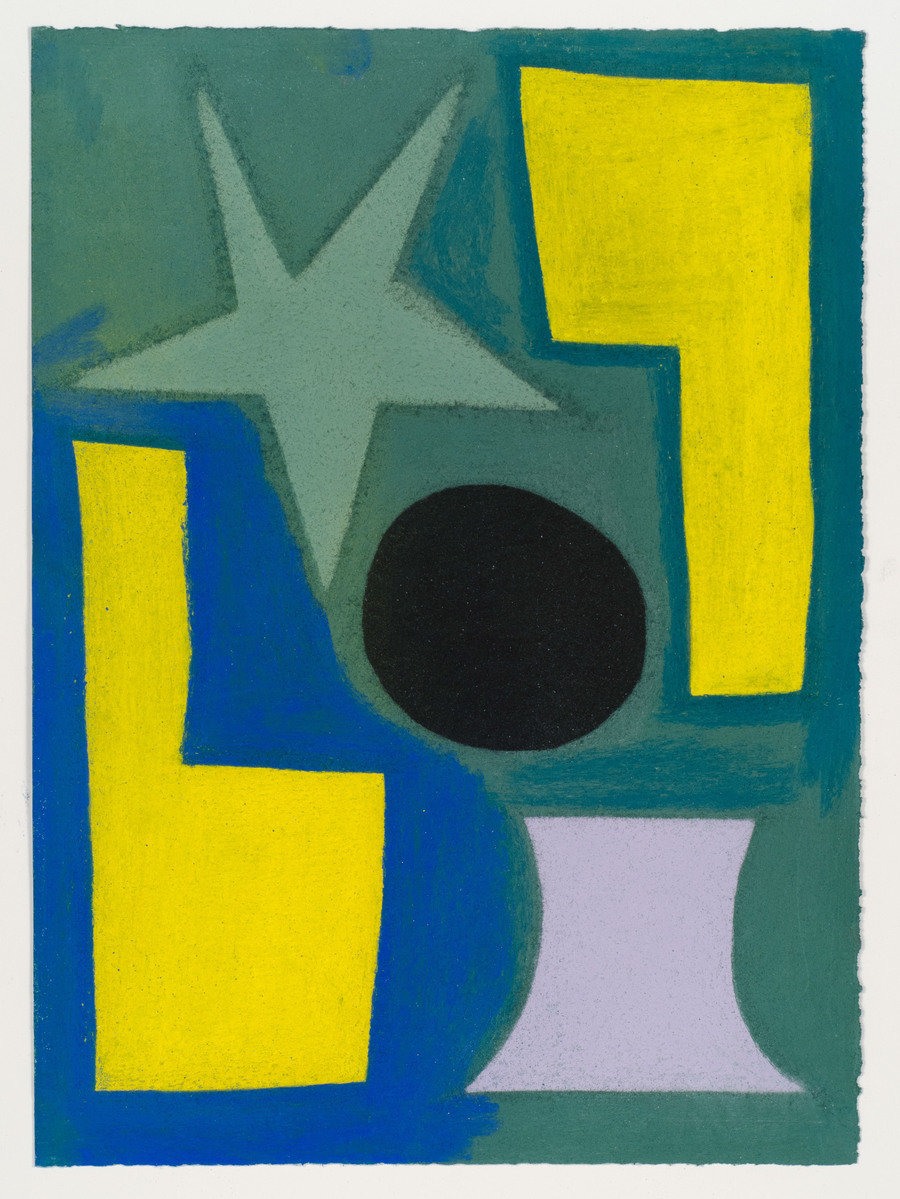
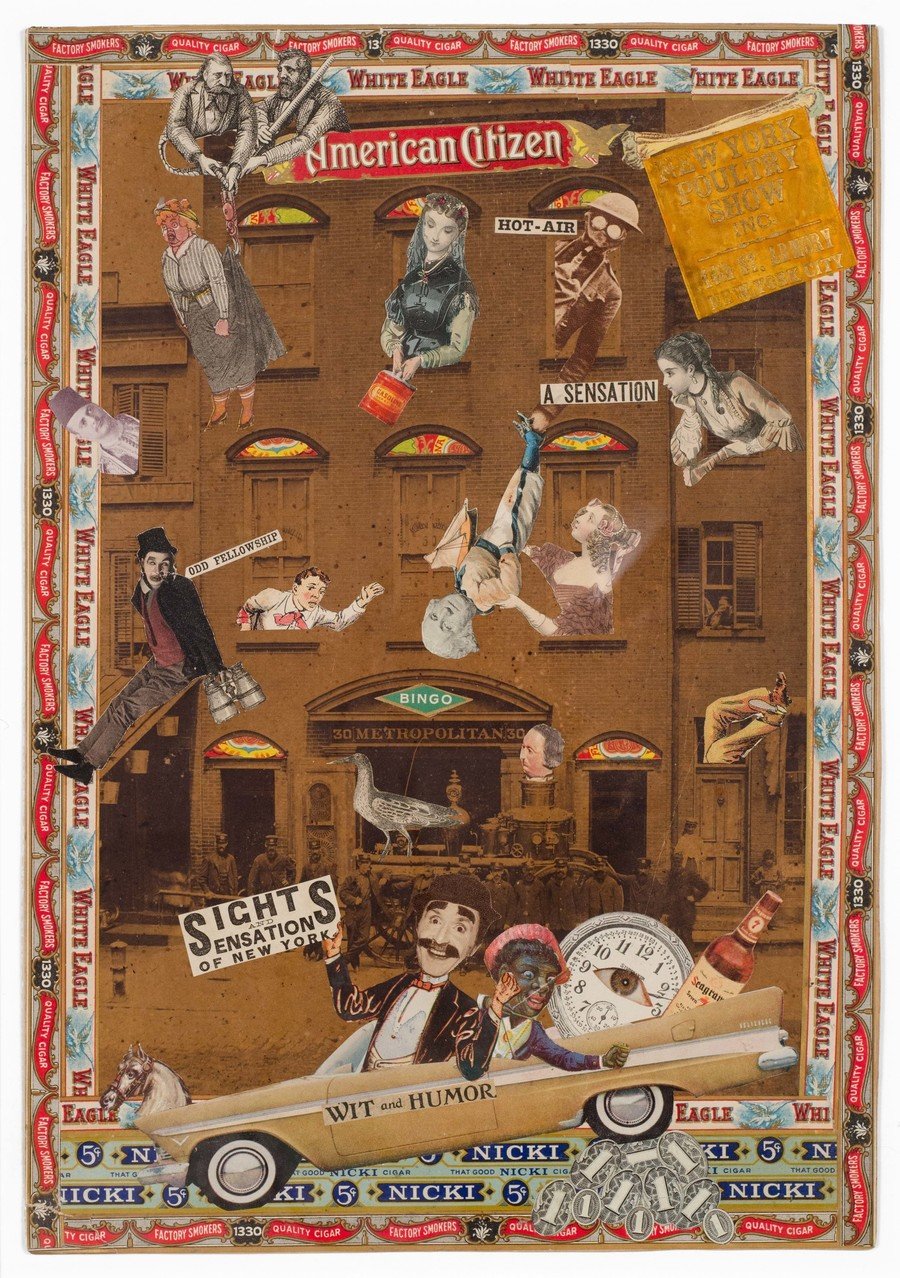
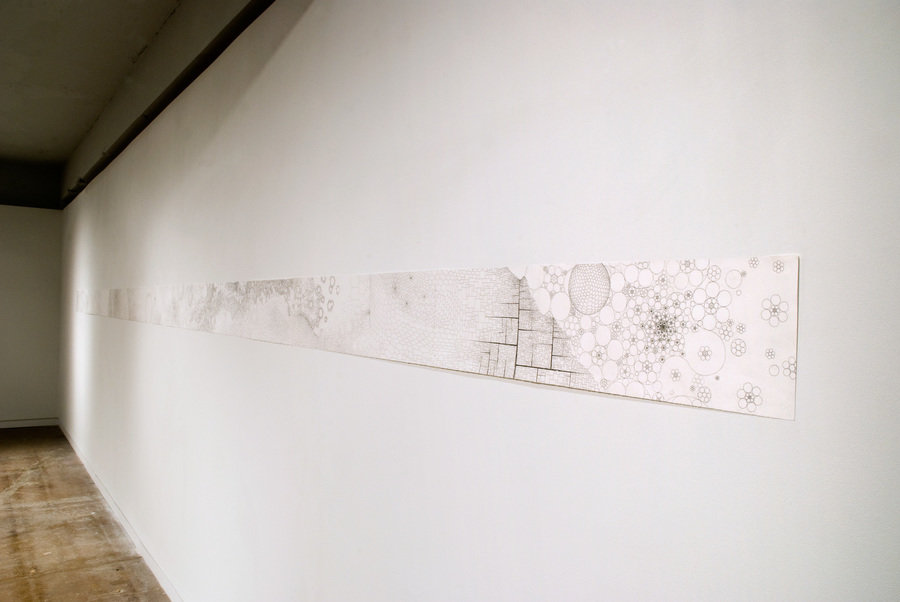
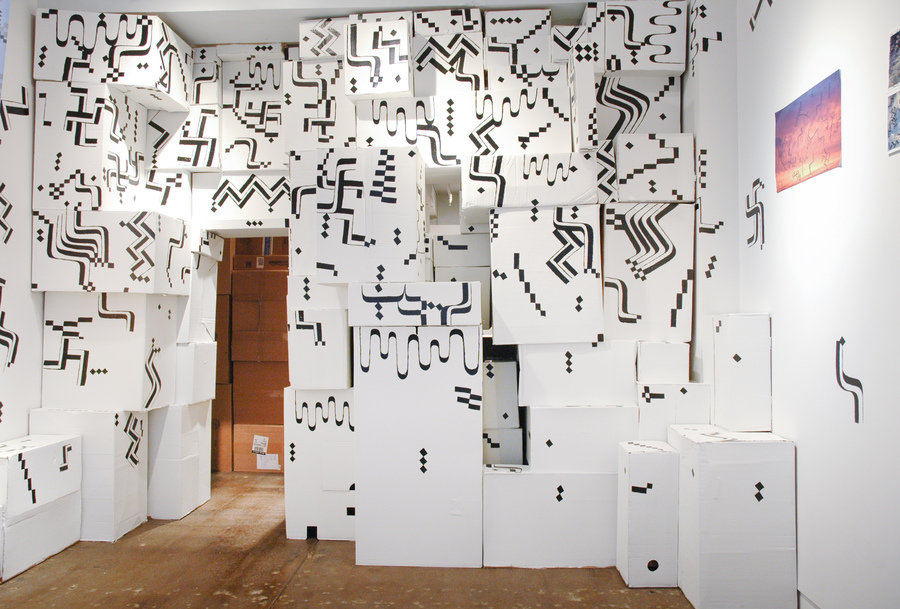
Isaac Tin Wei Lin, Kate Abercrombie, Mark Mahosky, and Chris Corales each have their own particular take on abstraction, but none are standard-bearers for abstraction with a capital “A.” Lin investigates the realm where representation and buzzing abstraction meet using invented calligraphic scripts and colorful patterns. Mark Mahosky presents a group of striped, abstract paintings on panel and newspaper. Their raw imprecision serves as a foil to Abercrombie and Lin’s more exacting methods. Chris Corales’ collages upend our usual assumptions about the medium as a more-is-more strategy by creating minimal works from a variety of scavenged papers that underline a kinship with abstract painting.

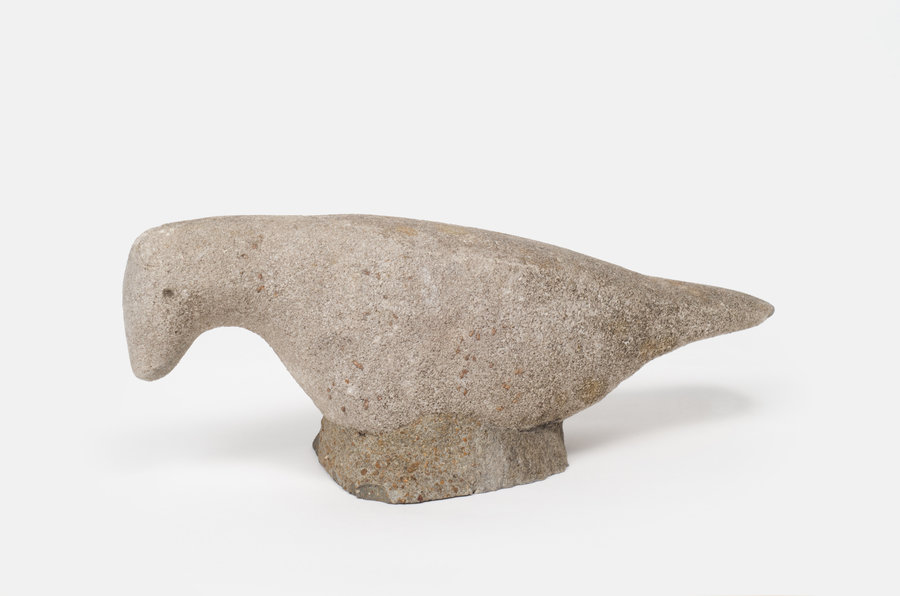
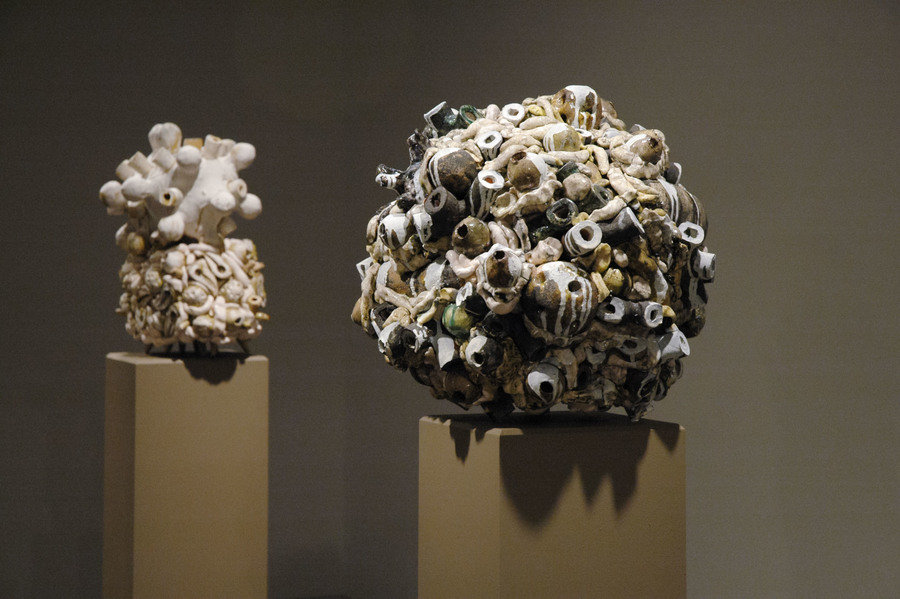
Tristin Lowe and Paul Swenbeck share a mutual interest in the primordial, myth, and the occult. In this exhibition, Swenbeck showcases new sculptures that combine his signature ceramics with wire and magnet spine-like forms that suggest animal/plant hybrids. Lowe has long pursued a certain life-giving rationale in his art making, breathing life into mythological and cartoonish inflatable sculptures. In New Wine New Bottle, Lowe examines the origins of life itself with a neon comet. Once considered heresy, scientists are now embracing the idea that life on earth originated from organic molecules inside a comet’s icy core which were released into Earth’s primordial seas billions of years ago upon impact with our planet.

October 10th - December 7th, 2013

Eugene Von Bruenchenhein

Time Produced Non Better

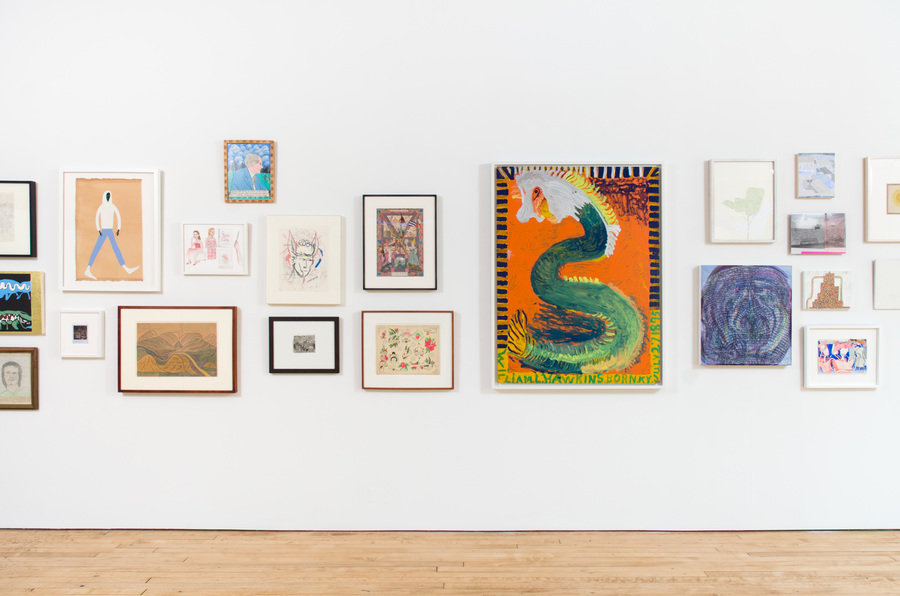
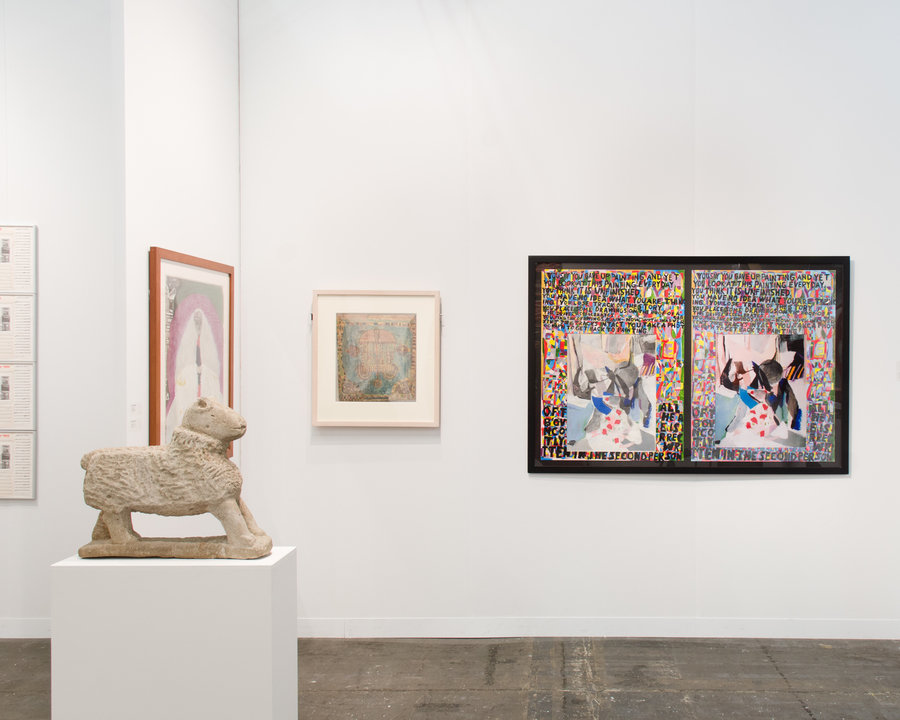
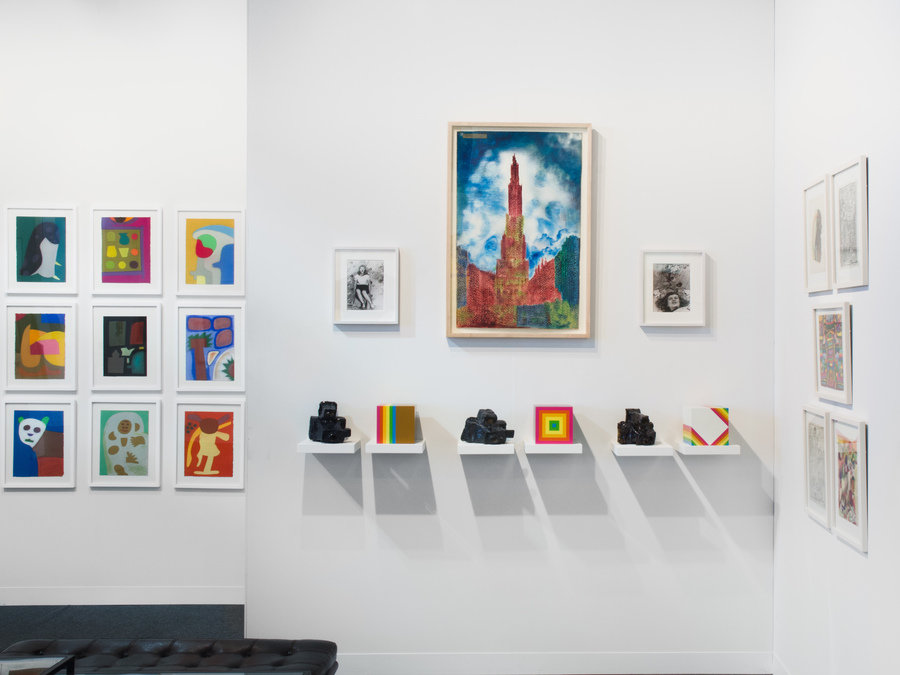
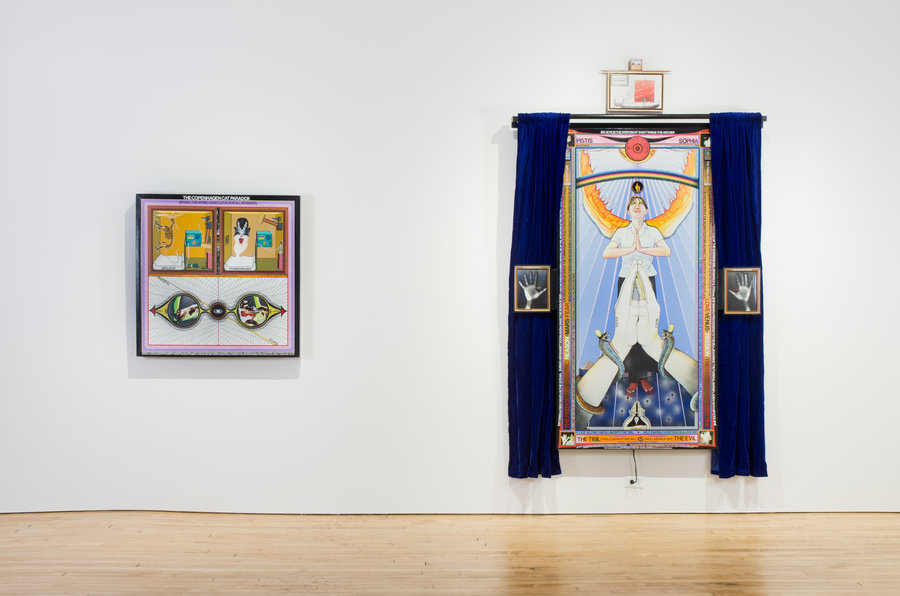
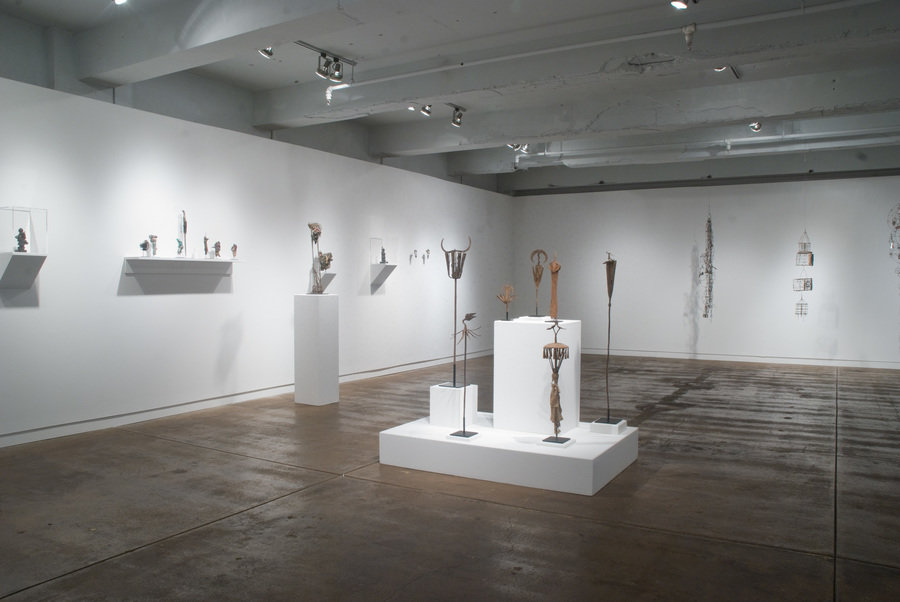
This exhibition of Eugene Von Bruenchenhein (1910-83) provides a snapshot of the breadth of work made by this Milwaukee-based self-taught artist, active from the mid-1940s through the early 1980s. Living in a modest house, which served as both a studio and exhibition space, with his wife and muse, Marie, he created a world of highly original beauty steeped in an idiosyncratic synthesis of non-Western art and architecture, girly magazine archetypes, theories of cosmic genesis, and current events like the Cold War fear of nuclear annihilation. Time Produced Non Better presents Von Bruenchenhein’s signature ceramics; a selection of paintings of imaginary architecture; pinup-inspired black and white photographs of his wife; and rarely seen 35mm color slides of Marie and arrangements of completed art works photographed in the artist’s home and backyard, presented in a slideshow format. Von Bruenchenhein, along with several other self-taught artists, is featured in the 2013 Venice Biennale, The Encyclopedic Palace, June 1-November 24. He will also be included in The Alternative Guide to the Universe, Hayward Gallery, London, June 11-August 26.

A 1947 hand-colored photographic self-portrait by Von Bruenchenhein is inscribed with the following: “Edward the first king of lesser lands/Time cannot touch/He moved ten centuries/A fortress of good/Time Produced non [sic] better.” While we can surmise that this statement is an homage to his father, Edward, the fact that it is superimposed over his own image, indicates Von Bruenchenhein’s belief in his own greatness, a kind of icon of self-proclaimed genius. Indeed, Von Bruenchenhein believed that he was bestowed with special gifts, a result of supposed royal heritage. His birthdate of 1910, a year graced by the appearance of Halley’s Comet, further indicated a sign of heavenly blessing, he argued. Von Bruenchenhein even thought that his first name suggested elevated status, stemming from the Greek eugenes, or well born. Gene, as he was known, identified his alter ego as the Genii, the plural of genius, sometimes inscribing his paintings with the words “Wand of the Genii.” One might be struck by Von Bruenchenhein’s self-confidence, after all he was a man of lesser means, a baker who lived very frugally. However, he inhabited two different worlds--one workaday and the other a realm of artistic fantasy, the latter made real through a tireless nocturnal work ethic, in which he sometimes collaborated with his wife Marie.
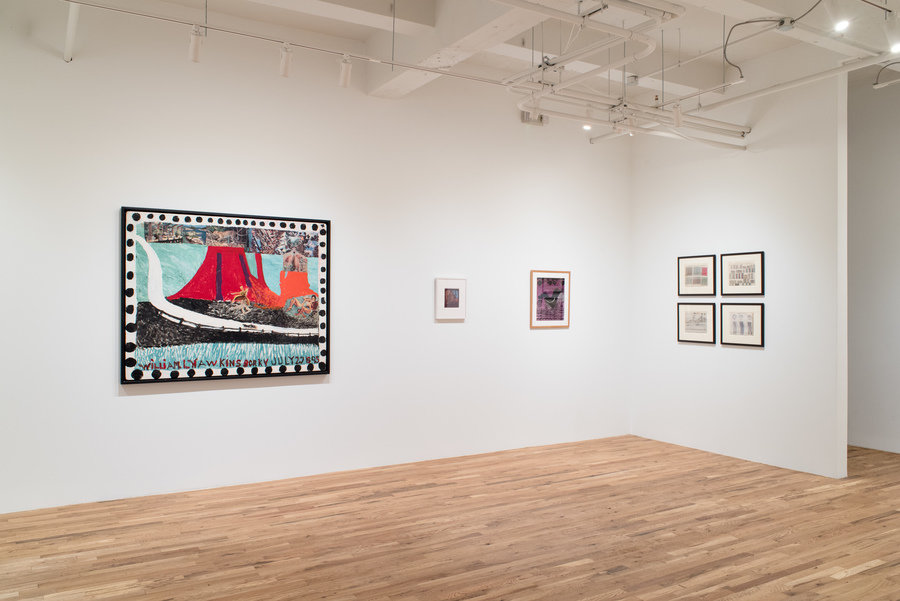
His interest in a wide-range of ideas, from the origins of the universe to Asian architecture to poetry and philosophy to amateur archaeology and horticulture, beget a staggering range and number of works. Von Bruenchenhein photographed his wife in a variety of erotic and fantastical poses and contexts, part pin-up girl, part princess. He created ceramic sculptures including crowns, vessels he called “sensor pots” (which resembled incense burners), and delicate flowers--all made from clay sourced from local construction sites, fired in the couple’s small parlor stove, and often spray painted with automobile enamel. He made chickenbone towers inspired by Khmer temples discovered in the pages of National Geographic and sculptures of heads made from concrete reminiscent of Mayan figures. He painted fiery energy bursts conjuring epic events like cosmic birth, with homemade brushes, his own fingers, sticks, bits of cloth, and combs. Later in life, Von Bruenchenhein focused his efforts on paintings of visionary architecture, echoing his bone towers as well as the arches of his earlier clay vessels, painted by using the edges of corrugated cardboard as a kind of printing tool, creating patterns that evoke the leaf-like forms of his ceramics.